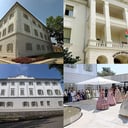
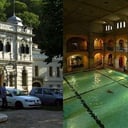
Gyomaendrőd is going big in 2026 with a year-long cultural roll-out: festivals, concerts, exhibitions, readings, community ceremonies, children’s programs, and a steady beat of music from spring to late summer. It’s a packed calendar for families and culture-hunters alike, blending tradition, remembrance, humor, and hands-on fun across the city’s museums, parks, libraries, and riverside spots.
February: Ceramics, Comedy, Remembrance
The season opens on February 16 with the opening of Lelkem zöldjei… (Greens of My Soul), a ceramics exhibition by Mezőtúr potter Erika Patkós. Museum director and museologist Zsolt Pusztai from the Túri Fazekas Museum will inaugurate the show. Free entry.
Two days later, on February 18, actor and comic Steve Hajdu lands with Hajdu you do?, a one-hour stand-up set riffing on cultural clashes within his marriage—his wife, Alexandra, is English—plus theater life and a passion for the stage. Expect music, miscommunication, and mischief. Tickets: $5.50. Advance purchase required.
On February 25, the city marks the Memorial Day for the Victims of the Communist Dictatorship with a ceremony at the Municipal Public Cemetery (Gyoma).
On February 28 at 3 p.m., Csukás István 90 celebrates the beloved writer-poet with an afternoon of literature under the theme Mert jó élni e gyermeki hittel (Because it’s good to live with this childlike faith).
March: Theater, History, Markets, and Music
March 4 brings the Déryné Company (Déryné Társulat) with Nem élhetek muzsikaszó nélkül (I Can’t Live Without Music) at the Kállai Ferenc Integrated Cultural Institution and Community Center.
On March 8, the city hosts its regular national livestock and flea market, returning again on April 12, May 10, June 14, July 12, and August 9.
Author and trainer Tünde Frankó presents her book Anyám könnye (My Mother’s Tears) and meets readers on March 10. A mother of three with healthcare and preschool education backgrounds and nearly two decades in counseling, she explores generational wounds and how speaking pain can free the next generation.
March 14 is a full civic day. The city commemorates the 1848–49 revolution and War of Independence with a ceremony: greetings by Mayor Balázs Toldi, a keynote by MP Béla Dankó, performances by students of Gyomaendrőd Kis Bálint Primary School, a torchlight procession from the community center to the Heroes’ Monument, and wreath-laying. The same day, speech therapist Mária Farkas gives a talk, Ha a képernyő beszél, a gyerekek hallgatnak (When the Screen Speaks, Kids Fall Silent), at OMart Bookstore and Cultural Workshop.
On March 20, a remembrance honors the victims of the Endrőd gendarme volley at Saint Emeric (Szent Imre) Catholic Church.
March 21 is double-booked: kids and families can catch the Kalap Jakab whirlwind concert—live music meets puppetry, a big dance floor, and limited seating, with laughter guaranteed. Tickets: $2.75. Also on March 21, Márciusi múzeumba csalogató (March Museum Teaser) brings to life the 30th Honvéd Infantry Battalion and the 16th Károlyi Hussar Regiment with weapon and uniform showcases, courtesy of the Békés County Károlyi Hussar and Honvéd Heritage and Cultural Association. Creative workshop: crafts in red-white-green. Entry: $1.45 per person; free under 6.
Water Day anchors late March: Vizekről álmodni… (Dreaming of Waters), a National Youth Creative Competition, opens at Vidovszky Béla City Gallery March 27–28, with further viewing March 31–April 4 and April 7–11, and again April 14–17.
Also on March 28, Andalgó, a musical fairy-tale evening with the ProVocal Chamber Choir and storyteller Marcsi Giriczné Gyányi, lights up OMart. On March 31, Tényleg szeretsz? Háború és béke a nappaliban (Do You Really Love Me? War and Peace in the Living Room) runs at Határ Győző City Library.
April: Poetry, Plays, Memory
April 4 brings an Easter playhouse at Saint Anthony People’s House. On April 11, Győr’s Hangraforgó poetry-music band leads a Költészet Napja (Day of Poetry) event at OMart, while The Little Rooster’s Diamond Halfpenny, a classic tale set around a sultan’s palace, comes to life as a stage story about stubborn courage and greed.
Author Viktória Baráth visits the Határ Győző City Library for a reader meet on April 14. On April 16, the city commemorates the Memorial Day for the Victims of the Holocaust in Hungary at the Israelite Cemetery (Gyoma). The Határ Győző City Recitation Contest follows April 21–22. On April 25, the 23rd Gyomaendrőd Ethnographic Conference convenes at Saint Anthony People’s House.
On April 26, two OMart openings: Mennyit ér a gondolat…? (What Is a Thought Worth?) verse concert with Budapest’s Strófa Trio, and a photo exhibition opening by Dr. Katalin Smiriné Farkas.
May–June: Cheese, Stew, Songs, and Summer Nights
April 30–May 2 is the 27th Gyomaendrőd International Cheese and Curd Festival on Szabadság Square. On May 6, the SZÖVEGELŐ diorama exhibition opens at the city library. May 16 invites a literary ramble Móra Ferenc nyomában (In the Footsteps of Ferenc Móra) with literary historian Dr. Tamás Bíró-Balogh at OMart. May 23 hosts the 48th City “Cibere” Children’s Day at the Besenyszeg playground, followed May 30 by OMART Musical Summer 1: the 25-year-old Vox Humana Mixed Choir from Dévaványa. May 31 is Heroes’ Day at Heroes’ Square.
June 4 marks the Day of National Unity at Szabadság Square (National Flag). June 6 is the 22nd Day of the Cauldron at the open area by the Rózsahegyi House—bring your stew skills. June 13 doubles up with OMART Musical Summer 2 featuring the Természetes Intelligencia band, and Saint Anthony Day at the Saint Anthony Bakehouse. June 23 brings a children’s program at the city library, followed June 25 by a baby program. June 27 is packed: OMART Musical Summer 3 with the 3rd Elizabeth Concert (III. Erzsébet-koncert) by the Gyomaendrőd Music Friends Chamber Choir; a painting exhibition by Lillis Boros and Netti Boros; and Saint John’s Night bonfire-jumping at the Csicsergő water-tour stop and anglers’ lodge. June 29 observes the Day of the Persecution of Kulaks at Heroes’ Square.
July–August: River Nights, Choirs, Beetles, and Meteors
Evenings by the Körös (Körösparti esték) take over Erzsébet Grove on July 4, 11, and 18, with OMART Musical Summer 4 on July 11—Repülünk a szívünk tavaszán (We Fly in the Spring of Our Hearts), an evening by Zoltán Kiszely and Nicolette Merényi—and OMART Musical Summer 5 on July 25, Nyár, tangó, szerelem (Summer, Tango, Love), a violin night with Kende Paraizs.
From July 31 to August 3, the 30th Gyomaendrőd Volkswagen Beetle and Bus Party camps out at Liget Spa and Camping. August 7 is the 11th Night of Shooting Stars—on the meadow and on the water. The free program includes meteor-watching and an outdoor film with a telescope on-site; for an extra fee, hop on a stargazing night boat trip on the Hármas-Körös. The buffet stays open throughout.
August 15, OMART Musical Summer 6 showcases Egy este a fonóban (An Evening in the Spinning Room), introducing the Vésztői Fonó women’s zither ensemble. August 20 celebrates King Saint Stephen and the new bread in Gyomaendrőd at Erzsébet Grove, followed August 21 by the 28th International Fish Cooking Competition in the grove. On August 22, spiritual teacher László Ambrusz speaks on The Physical, Mental, and Spiritual Causes of Our Illnesses at OMart. August 28 marks the 500th anniversary of the Battle of Mohács.
September: Plum Jam Finale
The year’s sweet capper lands on September 5 with the 10th Plum Jam Cooking Day at Saint Anthony People’s House—stirring pots and stirring nostalgia to wrap a culture-packed year.