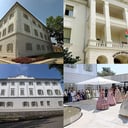
The Hungarian National Gallery, perched at Szent György Square (Szent György tér) 2 in Budapest’s Castle District (1014 Budapest, District I), rolls into late winter and early spring with a full slate of exhibitions, guided tours, family days, concerts, and hands-on workshops. The country’s largest public collection charting the rise and evolution of Hungarian fine art opens its doors wide to everyone—from toddlers and schoolkids to art lovers and curious travelers—with programs in Hungarian and multiple languages, plus creative studios, museum education sessions, and summer camps for children.
Kids’ Creative Labs and Toddler Adventures
On February 18 and again on February 25, “Color It Anew! – Museum Workshop for Kids” time-travels into everyday life of the past. Inspired by paintings, genre scenes, portraits, and old photographs, kids draw, paint, make comics, and spin their own stories while exploring what people wore, played with, used, and dreamed about long ago. March brings a folk-life edition of “Color It Anew!” on March 4, 11, and 18—dipping into village festivities, songs, home decoration, and the mystery of tulip-patterned chests to fuel fresh creations in the studio.
On February 24, “Kinders at the Gallery – So Colorful!” invites preschoolers to discover how painters worked and what artworks reveal. After playful gallery games, little hands get busy making art. On March 10, “Tiny Tots – The Realm of the Spring Fairy” sings, rhymes, and plays its way into spring’s colors and scents before finishing with studio time. March 24 follows the season’s trail with “Kinders at the Gallery – Dance of Flowers,” hunting for budding trees, fragrant blossoms, fresh greens, and sunlit hues on canvases through a playful investigation of March colors.
Body, Marble, and Myth
The human body takes center stage across multiple programs. On February 19, “Look at That, Mom! – The Beauty of the Human Body” explores ideals across eras through the renewed exhibition Nude Sculptures from the Turn of the Century. A Hungarian-language twin appears on February 22 with “Nude Sculptures from the Turn of the Century,” highlighting how depictions shift with each age’s standards. On February 26, “Mama, Look! – The Beauty of the Body” returns to the same exhibition, emphasizing how the nude threads through art history. March 8’s “The Allure of Marble – Nude Sculptures from the Turn of the Century” dives into allegory, symbolism, and the ancient spell that can make stone feel alive. February 25’s “Mental Fitness – Sculpture Brought to Life” stirs together nudes, love, and mythology via a gallery walk through the permanent collection and the renewed sculpture show—then heads to the studio to create.
Family Carnival, Fashion Through the Ages
On February 21, “Adventure in the Gallery – Carnival Transformations” splits guided tours for ages 6–9 (10:30–11:15) and 10–13 (11:30–12:15), embracing festive reinvention. March 7’s “Create! – Fashions of the Centuries” pokes fun at bygone looks—from impossibly long shoe tips and horned headgear to ostentatiously padded backsides—before participants craft badges decorated with favorite artworks.
Adolf Fényes in Focus
The Gallery shines a spotlight on Adolf Fényes (Fényes Adolf). On February 21, “The Art of Adolf Fényes” introduces A csend képei. Adolf Fényes (1867–1945), linking it with related works in the permanent collection. February 28’s “The Taste of Sunshine | Curatorial Tour by Edit Plesznivy” walks the full arc of Fényes’s oeuvre through emblematic masterpieces, touching on his family background, studies, patrons, and classical sources. March 1’s “Our Artists’ Colonies – Szolnok and Adolf Fényes” unpacks how colonies formed, how they worked, and their influence on Hungarian art. March 12’s “Sunny Weekdays – The Art of Adolf Fényes” wanders through his intimate interiors and landscapes, asking how a peasant yard could exist in the shadow of French Impressionism, what links a colorful Szolnok interior to Paris, and what those century-old genre scenes say about simple rural joys and sorrows.
Color Quests: The Many Greens
Color becomes a guide through time and media. On March 5, “Mama, Look! – Shades of Green” hunts green tones across sacred art, landscape painting, and the famous Zsolnay eosin glaze in applied arts. An English-language version, “Look at That, Mom! – Shades of Green,” repeats on March 19, leaping across eras to connect painting with design and craft.
Water, Impressionists, and Online Access
March 22 marks World Water Day with “Waves of Seas, Currents of Rivers,” a guided stroll through the Gallery’s most beautiful landscapes—seeking seas and rivers, listening for waterfalls and raindrops, and immersing in Hungarian art. Also on March 22, “Renoir, Monet, and the Impact of Impressionism” maps what Impressionism is and why it changed fine art forever, pairing giants of French painting with their Hungarian contemporaries.
Missed a show? On March 3, “Online Guided Tour of the Tihanyi 140 Exhibition” streams insights into Lajos Tihanyi’s painting straight to your home.
Italian, Grandparents, and Community
On March 20, “Visita guidata in italiano” offers a journey through the principal masterpieces of Hungarian art, from the Middle Ages to today, with a special focus on the 19th and 20th centuries—and maybe even a surprise encounter with Dante among the canvases. March 14 turns art into a shared memory with “With Grandma at the Gallery – Spring Dressed in Colors,” sending grandparents and grandchildren together into the Gallery’s spaces to chase spring’s hues and scents, then co-create a collective artwork where everyone, big and small, has a hand.
Budapest’s Hungarian National Gallery is ready for you—whether you crave marble myth, green-glazed shimmer, carnival whimsy, or the sunlit hush of Fényes’s interiors.