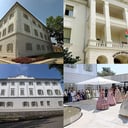
A full year of living history is on tap at Sóstó Open Air Museum (Sóstói Múzeumfalu) in Nyíregyháza, Hungary’s largest regional open-air ethnographic museum. Step into a village world from 150 years ago, dive into Árpád-era daily life, and join themed festivals, workshops, and nighttime celebrations at 4400 Nyíregyháza, Skanzen utca 8.
Professional Kickoff
March 5: The Museum Education and Methodology Center of the Open-Air Ethnographic Museum and Sóstó Open Air Museum host a professional day titled Complex Museum-Pedagogy Knowledge Exhibit, bringing educators and curators together in Nyíregyháza for hands-on, practice-driven sessions.
Revolution Weekend and Season Opener
March 14–15: Under the banner “Szép világja a magyarnak” (The Beautiful World of Hungarians), the season opens with a revolution-themed weekend. On March 14, the museum welcomes for the first time the 9th North Great Plain District of the Hungarian Scout Association for a traditional war game. Scouts commemorate the 1848–49 War of Independence with playful outdoor missions, from number wars to field activities. Join the commemorations and check current ticket prices on the website.
On March 15, National Day, meet historical reenactors: experience an interactive hussar camp, watch stage programs, and stroll through the temporary exhibition “Lányok, asszonyok ünneplőben” (Girls and Women in Festive Dress), opening for the holiday. Admission is free on March 15.
Women’s Festive Dress on Tour
March 15–May 31: The lobby hosts “Lányok, asszonyok ünneplőben,” a traveling showcase from Debrecen’s Déri Museum. Spanning the Carpathian Basin, it spotlights women’s attire through a vibrant selection of garments and headwear. Smudged silk or brocade? Kerpa or sling bonnet? Bagazia or fersing? The display answers with color, craft, and context. Check the site for ticket info.
Easter in the Village
April 5–6: Bring the family for Szabolcs-Szatmár-Bereg County Easter traditions. Join activities for all ages, taste classic holiday foods, admire decorated tables, and try heritage egg-dyeing techniques. Guests of honor: the County Ukrainian Minority Self-Government, serving traditional Ukrainian and Transcarpathian Hungarian Easter dishes with signature hospitality. Entry at Easter is via program ticket.
Fashion, Color, and Sustainability
April 24–May 31: “Aurora Folkgala.” Colors, shapes, fashion, revolution—and sustainability. Hajnal Németh Aurora, industrial and fine artist, laureate of the Hungarian Costume Award and Ambassador of the Day of Folk Dress, presents clothing and jewelry reviving historic techniques and motifs across the Hungarian-speaking world. Fresh, trend-forward pieces with authentic identity; ticket details online.
May Day, Village Style
May 1: Celebrate with a traditional maypole raising at the Jánkmajtis homestead. Historically, lads cut and secretly erected maypoles before dawn on May 1 outside girls’ homes. Help revive the custom, then grab a map for a village scavenger hunt—correct answers earn surprises. Kids get a folk play yard and basket carousel, while stage shows entertain all ages. Program ticket required this day.
Museum Day, Big Perks
May 18: One day for museums: special hours, themed programs, guided tours, discounts, and standout experiences across Hungary’s largest regional open-air ethnographic museum. Reduced admission applies.
Whitsun Crowd and County Treasures
May 24–25: Pünkösdi sokadalom returns. On Whitsun Sunday, it’s an Értékes nap (Valuable Day), spotlighting the Szabolcs-Szatmár-Bereg County Value Repository—this year featuring the Nyíri Mezőség region. On Whit Monday, discover “mavagyonolás” and compete for the title of “pünkösdi király” (Whitsun king). Expect bustling markets and hands-on fun. Program ticket required both days.
Back to School, the Old Way
June 10, 10:00: The opening of the school history exhibition brings back a Barabás classroom atmosphere: maps by Manó Kogutowicz on the walls; no finger pointing at maps, only a special pointer with a pen tip; and that age-old sense of continuity. Slate boards, copybooks, satchels, class registers, ink, and lessons—plus the joy of getting “smart.” Step into a time-traveling class; ticket info online.
Midsummer Magic and Cleanliness Through the Ages
June 21: St. John’s Night (Szent Iván-éj) glows with bonfire lore, dance, and a Besh o Drom concert. The Móra Ferenc Museum’s guest exhibition also opens in the lobby: “From Homemade Soap to Face Cream. Peasant Hygiene – Bourgeois Fashion,” exploring bathing, grooming, and beauty ideals from the late 19th century to World War II. Check the site for tickets.
June 21–Nov 15: Two temporary exhibitions run all season. “Archival Images in New Dimensions” reframes historical photography, while “From Homemade Soap to Face Cream – Peasant Hygiene, Bourgeois Fashion” juxtaposes rural and urban cleanliness codes, folk song lyrics, and period ads. Highlights include the dressing table of Ilonka Joó, wife of “song king” Pista Dankó, on view for the first time. Ticket details online.
Krúdy’s Era, On Foot
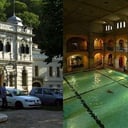
June 25–Aug 27, Thursdays 16:00–18:00: “What Happened in Krúdy’s Time” is a costumed guided walk around Sóstógyógyfürdő. A guide in period schoolmistress dress evokes Gyula Krúdy’s world, starting at the Tourinform Office by the Zoo and finishing inside Sóstó Open Air Museum. Fee: 2,000 HUF/person (USD amount converted at purchase), covering the full two-hour tour and museum entry. Outdoor attire advised. Pre-registration required; pay on site the day of the program. Arrive at least 10 minutes early and cancel 24 hours in advance if needed.