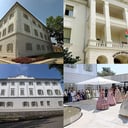
Zengővárkony’s Míves Tojás Museum is back in 2026 with a refreshed exhibition packed with curiosities and interactive elements. It’s designed to surprise regulars and first-timers alike, all at 7720 Kossuth Lajos St. 6. The calendar centers on Holy Week and Easter, with hands-on sessions, performances, and a national youth competition that puts traditional egg-writing in the spotlight.
National Youth Egg-Writing Competition – Mar 29
The museum hosts the National Youth Egg-Writing Competition (Országos Ifjúsági Tojásíró Verseny) in person on Sunday, March 29. Young creators aged 10–15 who are into traditional egg-writing and decorating can enter by emailing photos of two beautifully decorated eggs as the entry requirement by March 17, 2026. The aim: showcase talent, measure skills, and inspire the next generation to carry the craft forward in Zengővárkony.
Holy Week Kickoff – Mar 29
The Holy Week program series opens the same day with a short ceremony. At 13:30, museum founder Dr. Rózsa Nienhaus greets visitors in the square in front of the museum. A brief cultural program follows, featuring tárogató artist István Borsós and his ensemble, plus the Zengővárkony Song Larks (Zengővárkonyi Dalos Pacsirták) choir.
Daily Egg-Decorating Workshops – Mar 30 to Apr 3
From Monday to Friday, March 30–April 3, the museum runs daily egg-decorating demonstrations and craft workshops from 10:00 to 18:00. Expect multiple decorating methods, plus straw ornament-making and bead-threading. Renowned egg-writers guide the process, helping visitors craft something they’ll be proud to take home.
Holy Week and Easter Program – Mar 29 to Apr 6
The broader Easter lineup runs March 29–April 6, starting with the youth competition, followed by daily Holy Week workshops, and wrapping up on Easter Monday with a tradition-keeping show.
Easter Egg Hunt – Apr 5
For kids, the hímes (decorated) egg hunt sets off across Zengővárkony’s streets on Easter Sunday, April 5, from 9:00.
Easter Monday Show – Apr 6
On Monday, April 6, at 11:00, the Zengővárkony Traditional Cultural Association greets visitors with an Easter program in front of the museum.
Organizers reserve the right to change times and programs.