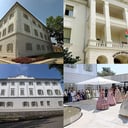
Kistarcsa’s Cultural Association is rolling out a full year of events in 2026, aiming to energize local cultural life, boost community participation, and support self-organizing groups in and around the town. The programs span lectures, walks, exhibitions, commemorations, travelogues, and hands-on showcases, open to all ages at the Basic Services Center (Alapszolgáltatási Központ), 2143 Kistarcsa, 2/A Batthyány St., and other venues across the city.
May kicks off with history and heritage
On May 7, Attila Szoták examines the ministerial career of Kuno Klebelsberg, who trained as a lawyer, entered Parliament, briefly served as interior minister, and then spent nearly a decade as minister of religion and public education. His tenure delivered substantial developments across cultural and educational policy—legacy-making work that still resonates.
Inspired by last year’s hit Heritage Walk (Örökségséta), a new three-hour guided walk returns to the Kistarcsa Public Cemetery on May 10, led by Bence Ruzsa. The same day at 5 p.m., the community inaugurates a “birth bench” beside the memorial column at the cemetery entrance, celebrating local residents turning 18 this year. The plan: claim the bench as theirs, spark pride, and draw more young people into community life.
From rare dogs to a town-wide showcase
On May 14, historian Gergely Bödők turns to the Transylvanian Hound (Erdélyi kopó)—one of the rarest Hungarian dog breeds. Expect a dive into the past and present of hound hunting, the everyday rhythms of living with this Hungarikum breed, plus live demonstrations of hunting work and obedience basics like recall and stay.
The 29th Kistarcsa Days (XXIX Kistarcsai Napok) exhibitions open ceremonially on Friday, May 15, at 7 p.m. in the József Simándy Primary School atrium, with displays viewable on Saturday and Sunday, 10:30 a.m. to 6 p.m., at Simándy School. The Cultural Association again curates the lineup, promising diverse highlights. Exhibitions continue across May 16–17.
Touch, rally grit, and remembrance
On May 21, Erika Szücsné Göblyös explores infant and child massage through the lens of polyvagal theory. This gentle, touch-based approach fosters secure attachment, supports physical and emotional development, eases stress, improves sleep, strengthens parent-child bonding, boosts mobility, and soothes the nervous system.
Adventurers gather on May 28 for Tamás Rist’s Budapest–Bamako rally talk. With Mali unstable, the finish line shifted to Freetown, Sierra Leone, stretching the journey to over 5,592 miles on African roads where tough conditions make progress anything but simple.
May 31 brings Heroes’ Day (Hősök napja) at Heroes’ Square, honoring the fallen. Children’s Day festivities also appear on the month’s listing.
June: Trianon, centenary mourning, blue trails
On June 4, László Nagy revisits the Treaty of Trianon. Signed June 4, 1920, in the Grand Trianon palace at Versailles, the peace diktat stripped two-thirds of historic Hungary’s territory. The new borders came as Czechoslovak, Serbian, and Romanian forces occupied Upper Hungary, Transylvania, and the Southern Lands—forcing a negotiated peace amid national trauma.
June 5 marks a moving centenary: a commemoration for Miklós Király, son of Andor Király, director of the Kistarcsa Machine and Railway Equipment Factory. Miklós died in a motorcycle accident in Mátyásföld on June 4, 1926. Wreath-laying and a family history recollection mark the 100th year.
On June 11, Erzsébet Pancsor talks about the Blue Trail (Kéktúra), Hungary’s National Blue Trail. It’s not age- or time-bound; once you stamp your first checkpoint, you can complete it over a lifetime. It’s no extreme expedition—anyone can do it with sensible gear and segment-by-segment planning—and the payoffs are the vistas and the lived experience.
Flavors, crafts, and the colors of Peru
June 18 spotlights Ildikó Obsitos’s wine jam—capturing the aroma and flavor of wine without alcohol. Perfect for those who don’t drink and those who love wine’s character in food, the process mirrors traditional jam-making but uses wine instead of fruit.
Local artisans take over June 20–21 with the Kistarcsa Artisans’ Exhibition (Kistarcsai kézművesek kiállítása) at the Csigaház. Expect a window into the town’s craft scene and the creators behind it.
Rounding out June, on the 25th Ágnes Kóczián presents The Many-Hued Peru, a three-week journey from Inca legacies to Amazonian jungles, threading Lima, Cusco, and Iquitos. It’s both travel guide and travelogue, mapping the country’s grand scale—South America’s third largest—through personal discovery.
Autumn highlights and year’s end
September 14–20 brings KIKE Cultural Week, the hearty Potato Dumpling Festival (Görhöny Fesztivál), and another round of Heritage Walks. October 10 hosts a National Evening. From October 23–25, the Csigaház stages an exhibition marking the 70th anniversary of the revolution, channeling memory and reflection. On November 8, Falling Leaf (Hulló Falevél) returns to the Csigaház, and on December 28 the town gathers again at Heroes’ Square for a World War II commemoration.
More picks and practical notes
Comedian László Lakatos arrives May 8 with his solo show I’ve Arrived (Megjöttem), with Olivér Wolf as the opening act; tickets start around USD 18. The 29th Kistarcsa Days (XXIX Kistarcsai Napok) run May 15–24 across venues, while listings also flag May 31’s Children’s Day. The organizers reserve the right to change times and programs—so keep an eye on updates—and the hub for many events remains the Basic Services Center (Alapszolgáltatási Központ) at 2/A Batthyány St. in Kistarcsa.