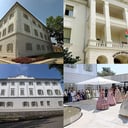
2026.05.24–25, Szentendre, Sztaravodai út — The open-air museum Skanzen becomes a living map of traditions for the 15th Whitsun Heritage Festival, where Hungary’s colorful customs meet Spanish flair. For two days, authentic village courtyards and streets hum with folk music, dance, costumes, and craft secrets. Visitors can taste regional dishes, try crafts, jump into circle dances, and meet heritage communities from every corner of the country, alongside rural house museums and their guardians of tradition. This year also marks 20 years since Hungary joined the Convention for the Safeguarding of the Intangible Cultural Heritage.
Spanish artists representing Spain’s intangible heritage are the festival’s special guests, bringing flamenco fire, a Córdoba-style flower courtyard, and Mediterranean food culture to the Danube Bend.
Sunday, May 24: Opening, Awards, and a Folk Marathon
The main stage on the South Transdanubia set, in front of the Zádor House (VII-3), kicks off at 10:55 with a welcome. At 11:00, winners of the Prettiest Settlement Name competition are announced, followed by honors for milestone-anniversary house museums and a communal apple tree planting. From 11:40, the Zselic Art School and the National Association of Children’s and Youth Folk Art fill the square with music and footwork. Matyó dances take the spotlight, then come Hungarian dances from Nagyecsed by the Rákóczi Kovács Gusztáv Ensemble, followed by Nagyecsed’s Roma dances with the Gyöngyszemek group and band. The Parapács Band threads the day together between showcases by Transylvanian and Vojvodina Hungarian groups. At 14:40, flamenco dancer Zsófia Pirók sets the plaza alight, a prelude to an all-hands dance at 15:00. Tárkány Művek close the day on stage from 16:00 to 17:00, backed by Parapács as the house band.
Sunday Across the Village Sets: Crafts, Tastes, Stories
In the Great Plain Market Town area (VI), the Békéscsaba Molnár House hosts the Békéscsaba Heritage Circle with a guided photo show, skill games, and crafts, plus ethnographer Imre Harangozó’s talk, Whitsun Customs in Békés County. Every hour from 11:00, Hungarikum tastings pair with mini-lectures. The Heritage Courtyard at the Hajdúbagos House (VI-4) brings the Zselic Art School and Zselic Dance Group, heritage-minded kindergarten teachers, and the Világszárnya fairy-tale group for dance lessons, music, Whitsun games, singing classes, storytelling, and a Táncház 50 photo exhibition, with a special ethnography class for kids.
Blue-dyeing, recognized by UNESCO, is hands-on with the Győr and Nagykőrös workshops (VI-6): pattern stamping and blue-dyed bird crafts. Mohai tikverőzés (a Shrove Tuesday ritual) and Tápé bulrush weaving, both on Hungary’s national heritage list, take over the Baja tanners’ yard (VI-7) with felt mask and magnet making, clown-costume stitching, reed processing, weaving demos, and reed animals. Traditional fishing at the Kisújszállás rail guard’s house (VI-39) shows net tools, knotting, and casting. At the Dusnok windmill (VI-9), the Karcag mutton stew tradition simmers with shepherds’ dishes in action.
In the Little Hungarian Plain (X), Eger’s quartermaster tradition displays ribboned staffs and the storied hundred-button coat, while Mende’s Whitsun church decoration fills a chapel with flowers. Mezőtúr pottery spins on the wheel; Hövej lace and Balatonendréd bobbin lace stations stitch heritage into the present. Egg-writing workshops invite steady hands. Buzsák’s living traditions show embroidery, carving, and signature dress. The Prettiest Settlement Name winners stop at the Kisbodak barn at noon for a book launch and games. Christkindl play, the Christmas custom, gets a dedicated exhibit. The Matyó heritage, on UNESCO’s list, invites you to “become Matyó” for a moment; the Mohács Busós bring masks, carving demos, costume try-ons, and kids’ activities. The Nagykunság wool embroidery and Békés County sheepskin embroidery teams stitch up close. Novaj’s masquerade culture smudges hands with carnival soot.
South Transdanubia (VII) dives into Nagyecsed’s Hungarian and Roma dance traditions, Bukovina Székely customs, and the famed Szeged slippers with live making and market. The Mary Route pilgrims share routes and shrines. The Spanish corner centers flamenco, Córdoba blooms, and Mediterranean eats. Pomáz Heritage House opens Where Your Treasure Is, There Your Heart Is (Ahol a kincsed, ott a szíved), an exhibit on Swabians resettled in Hungary.
In West Transdanubia (IX), the Kondorfa barn hosts trademarked dishes and a herdsman demo. Saint Martin’s veneration unfolds in images. From Turda (Torda) comes holiday gudúc bread baking, folk dance, and music, while Cegléd’s Kossuth cult offers Kossuth crescents and rebel songs. The Solymár Swabian House models folk dress and paper-doll craft.
Monday, May 25: Weddings, Strings, and a Grand Finish
Monday’s stage lineup at the Zádor House (VII-3) starts at 11:00 with master-of-ceremonies traditions, then a Kalocsa bride-asking ritual, the barrel-makers’ dance from Erdőbénye, and Pántlika’s tambura-driven Hungarian tunes. A puppet theater introduces the story of Bulgarian market gardening, then youth groups from Békásmegyer, Zselic, and Tébláb AMI take turns. The Rajkó band fires up the strings, followed by Sárköz dances by a joint ensemble of the five Sárköz villages. Student songs from Selmec ring out, the ProLet Bulgarian dance group takes the floor, flamenco returns at 14:00, and a final all-dance wraps the stage between 16:00 and 16:20. House bands: Parapács, Pántlika, and the Erdőbénye musicians.
Monday Around the Museum: Blue-Dye, Birds, and Bowls
Kalocsa folk art (VI-3) paints and embroiders, with porcelain painting on show. The tradition of wedding masters exhibits their staffs and kerchiefs, plus cheeky rhyming verses. The Heritage Courtyard continues with kids’ ethnography hours, dance lessons, music, Whitsun games, and the Táncház 50 photo wall. UNESCO-listed blue-dyeing returns with master János Sárdi and the Nagykőrös workshop. Also UNESCO-listed falconry lands at the tanners’ yard (VI-7) with bird demos, cultural history, and a hood collection. Court embroidery gets its own corner too. At the Kisújszállás house (VI-39), Baja fish soup and matchstick pasta are cooked before your eyes.
In the Little Hungarian Plain (X), Erdőbénye’s coopers’ dance tradition exhibits tools and photos. Mende’s floral church décor blooms again. Halas lace shines in the sewing room; Deszk’s Serbian gold embroidery dazzles. The Rajkó method, listed as a best safeguarding practice, brings Roma music to the courtyard. Bulgarian market gardening returns with puppets, photos, plants, and dance teaching. Cák’s historic wine cellars get a quiz and tasting. Hunting traditions arrive with horns and kit; Bakony shepherd lore shows flutes and stick carving.
South Transdanubia (VII) presents Sárköz folk art with dance, dress, weaving, fringing, and beading; Szeged’s Napsugaras House cooks tarhonya and its quirky backstory. Spain’s intangible heritage base stays open with flamenco and flowers. Selmec student traditions revive drinking songs and display tankards.
West Transdanubia (IX) throws clay on the wheel with Magyarszombatfa potters, sets up a jug exhibit, and recreates a wagon market. Borsodnádasd’s miller-waffles are baked and tasted, paired with a showcase of irons. Kőszeg’s Book of the Coming of the Vine unfurls its pages. Budakeszi House fries Swabian doughnuts, makes paper-flower carpets, and shows Swabian dress; Solymár rounds it off with more costumes and paper dolls.
Note: Organizers reserve the right to change times and programs.