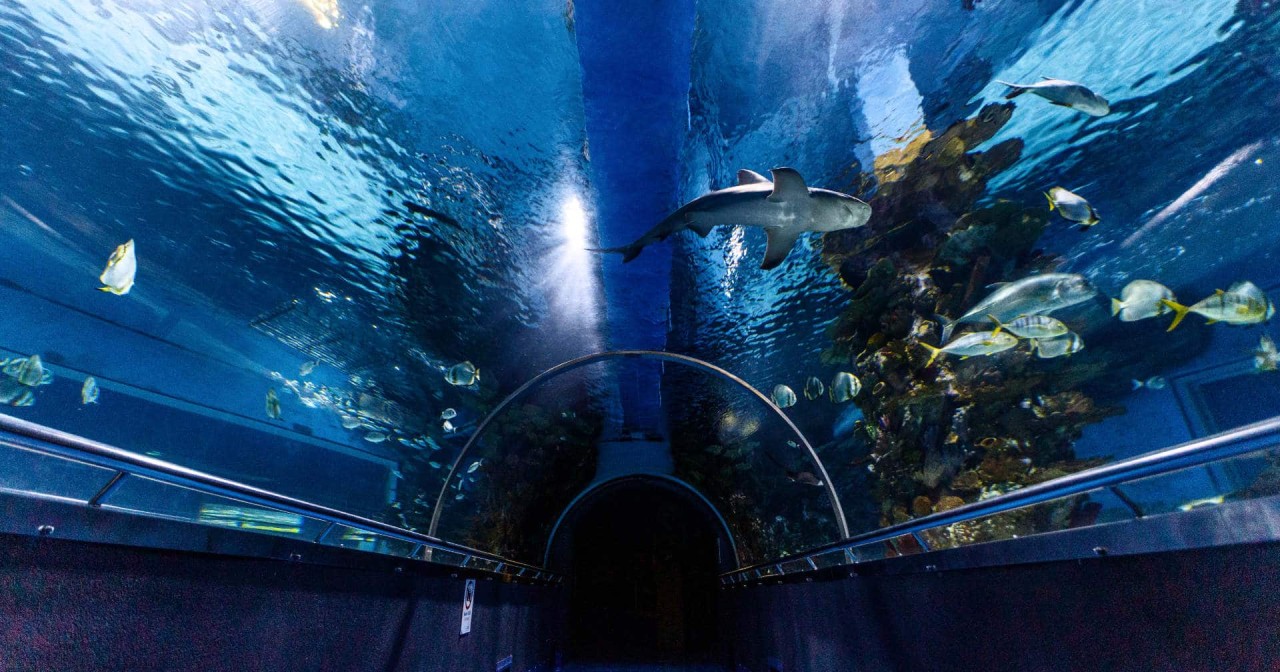
Budapest’s Tropicarium is dialing up the drama in 2026 with a once-a-month alligator feeding that puts visitors a breath away from two formidable residents. On the third Monday of every month at 2:30 p.m., animal keepers step inside the alligator enclosure to feed Dodo and Tipli, the pair of male gators who have become the show’s stars. It’s the only time each month the team enters the habitat, and the spectacle is very much the point: a tight, expertly choreographed feeding in full view of the public, with the crackle of reptilian jaws echoing through the aquarium’s tropical halls. The season opens January 19, 2026, in Budapest, then continues February 16, 2026, also in Budapest. Organizers reserve the right to change times and programs, so that classic caveat applies—check before you go, and yes, they prefer a phone call for the most up-to-date info.
The Tropicarium makes a big deal about the keepers’ courage and precision, and it’s obvious why. Dodo and Tipli aren’t props; they’re muscular, heavy, and can explode from stillness with startling speed, which is why the team only does this once a month. Visitors line the viewing areas well before 2:30 p.m., kids press against the glass, and the air turns electric as the keepers step in with the day’s menu. The feeding is short, intense, and unabashedly raw—an antidote to sleepy aquarium strolls—and it doubles as an educational moment about behavior, habitat, and care. The format is simple: get in, feed, observe, get out. The thrill lingers longer than the show.
When and where to catch it
Two confirmed dates headline the 2026 calendar so far: January 19 and February 16, both in Budapest. The schedule follows the same pattern all year—third Monday of each month at 2:30 p.m.—but keep in mind that details can shift. The venue lists contact lines and an info channel for last-minute checks. If you’re building a bucket list, the event helpfully nudges you to save the date and set alerts. It’s a monthly one-off, and that scarcity is part of its appeal.
Stay close to the action
Right inside the broader events complex, a boutique hotel blends a historically sympathetic exterior with a modern interior, offering rooms just steps from the event halls. That proximity makes the logistics easy: arrive, drop bags, and stroll to the Tropicarium without wrestling with traffic. The vibe is upscale-meets-practical, tailored to guests who want comfort without the commute.
Food, wine, and a little soul
South Buda has layers beyond the aquariums and glass tunnels. In Budatétény, a spiritual center welcomes anyone seeking a reset—individuals or groups, older or younger, Catholic or not. The Verbite missionary spirit is inclusive by design; if you’re looking for calm before—or after—the gator adrenaline, you’ll find it there.
Dining here tilts warmly local. The Záborszky Winery’s Wine City (Záborszky Pincészet – Borváros) is a rarity even in Europe: a wine-city experience that walks you through ten emblematic Hungarian wine regions—Badacsony, Balatonboglár, Eger, Etyek-Buda, Mecsek, Somló, Sopron, Szekszárd, Tokaj-Hegyalja, and Villány—with skanzen-style cellar façades and video peeks at a dozen more. Nearby, the Society of Wine Poets Cellar Restaurant (Borköltők Társasága Pince Étterem) serves in air-conditioned rooms and a breezy outdoor area, accommodates private events, offers venue rentals and catering, and keeps it accessible and unfussy.
For comfort classics, head to a self-service spot on Kossuth Lajos Street in Budafok where daily menus run from soups and stews to fresh grills and desserts, plus a rotating Chef’s Recommendation. If history is your thing, a turn-of-the-century building—raised in 1910–1911 by restaurateur Károly Kleofász—once known as the Villatelep-Beszálló Inn (Villatelep-Beszálló Vendéglő), later Kméhling Inn (Kméhling Vendéglő) until nationalization, still carries the patina of traders and carriages that once fed and watered in the backyard coach house.
Bubbles and bottles
The region is proud of its sparkling legacy. The local confraternity champions the heritage of József Törley (1858–1907), guarding quality and spreading the culture of champagne-style drinking. Under the Hungaria: Sparkling Differently (Hungaria. Pezsgő Másképp) banner, the brand has spent more than 60 years refining style and experimentation. Founded in 1955 and now under the Törley group’s expertise, Hungaria’s name has become shorthand for exclusivity backed by meticulous production and modern techniques.
György Villa pours from Etyek-Buda’s whites and Villány’s reds, leaning into pure fruit character. Katona Wine House (Katona Borház), founded in 1996, bottles sunshine and soil from 111 acres on the south side of Lake Balaton in the Balatonboglár region, with one additional acre in Tokaj since 2006. Grapes are processed and aged in Boglár, with some wines moved to Budafok for further treatment and bottling—a neat full circle if you’re tasting nearby.
Where to sit down
István Tanya Inn (István Tanya Vendéglő) has been a Budafok favorite since 1999 on cobbled Magdolna Street. Expect a cozy 30-seat dining room, a heated winter garden for 30, and a shady summer garden under a giant chestnut tree for 40. There’s a 60-seat private room for weddings, class reunions, office parties, birthdays, and more, plus off-site catering for 80–150 guests. The kitchen swings between Hungarian staples and international plates to keep everyone happy.
And if a Mediterranean mood strikes, Kerkyra Greek Taverna (Kerkyra Görög Taverna) in Campona serves traditional Greek recipes: chicken and lamb gyros, souvlaki, roast lamb, moussaka, salads, grilled meats and seafood, and a dependable lineup of sweets for a clean finish. Plan your day around the alligator show, then eat your way through the neighborhood—Budapest’s 22nd district does both adrenaline and appetite with equal conviction.