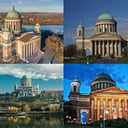
This September, the Ars Sacra Festival returns to Hungary, promising a cultural feast designed to celebrate art as the language of the soul. From September 13 to 21, cities and towns across Hungary will come alive with free concerts, art exhibitions, sacred walks, and literary evenings, all offering a unique opportunity to encounter faith-inspired works that strengthen and inspire.
Nineteen Years of Celebrating Sacred Art
The 19th Ars Sacra Festival marks a double jubilee: not only is 2025 a Holy Year, but it also commemorates the 800th anniversary of Saint Francis’s Canticle of the Sun. The festival has been driven by the same mission since it began in 2007—bearing witness to faith and spreading enduring values through sacred art, open to all. In doing so, it brings together Christian hope and artistic expression, acting as a spiritual pilgrimage for modern times.
This pilgrimage is no longer about traveling to Rome or passing through ancient holy doors; today’s journey is about engaging deeply with spiritual and cultural treasures. In a fragile and crisis-ridden world, the festival aims to showcase the beauty and commitment found in faith-driven art, reminding everyone of the divine source behind true beauty.
Opening Night: High Notes and Illustrious Guests
On Saturday, September 13, at 7:30 PM, the country’s largest sacred art event kicks off with a grand opening—the first time held in the iconic Church of the Blessed Virgin Mary (Matthias Church, Mátyás-templom). Dignitaries like First Lady Zsuzsanna Nagy and Cardinal Péter Erdő will grace the occasion. After the cardinal’s welcome, the Gemma Vocal Ensemble will pay tribute to the 500th birthday of composer Palestrina with a special concert.
More Than 500 Programs Across Hungary and Beyond
Over nine days, approximately 500 events will unfold in collaboration with Hungarian communities abroad. The festival spans eleven artistic genres—classical and popular music concerts, literary evenings, theater, exhibitions with guided tours, film screenings, community walks, pilgrimages, family and youth events, plus a generous helping of architectural explorations.
Artists and performers interpret the sacred using both classic and contemporary approaches, linking historical traditions with today’s artistic language. This year’s featured musicians include acclaimed pianists Dezső Ránki, Edit Klukon, Gergely Bogányi, Adrienne Hauser, and Tamás Érdi—all performing at the Church of the Holy Angels (Gazdagrét Szent Angyalok-templom). StEFREM will present its unique Primissa show there, alongside renowned bass-baritone Gábor Bretz, accompanied by Zsuzsanna Gráf on piano.
The church also hosts András Berecz’s “Heartbeat Above” photography exhibition, opened by the artist himself, while writer János Lackfi will do a public reading from his new book at the Castle Garden Bazaar (Várkert Bazár), accompanied by jazz guitarist István Gyárfás.
Cultural Highlights for All Ages
The angelic-voiced Pro Musica Girls’ Choir of Nyíregyháza, conducted by Dénes Szabó, will perform in the newly renovated grand hall of the Hungarian Academy of Sciences (Magyar Tudományos Akadémia), celebrating its 200th anniversary. Art exhibitions include the Péter Prokop show at Hegyvidék Salon (Hegyvidék Szalon) and a Jókai bicentennial event at BAB Gallery. Comedy also features—expect a stand-up evening at Café Francesco. This is just a taste from the festival’s enormous lineup.
Crossover Concerts: A Festival within the Festival
For the fourth time, the “Crossover Concerts” unite four churches, positioned at the four symbolic arms of a virtual cross, for an ecumenical series. The Inner City Parish Church (Belváros Plébániatemplom) hosts the Kodály Zoltán Choir School Children’s Choir; at Deák Square’s Lutheran Church (Deák téri evangélikus templom), the Viva Voce choir performs; at Calvin Square’s Reformed Church (Kálvin téri református templom), it’s the Erkel Ferenc Mixed Choir; while the Church of Saint Elizabeth at Roses Square (Rózsák tere Szent Erzsébet-templom) replaces the Greek Catholic church this year, welcoming the Saint Athanasius Choir.
Open Church Day: Behind Sacred Walls
The festival’s opening coincides with Open Church Day. Historical churches open their doors not only to showcase architecture and art but also to host spiritual programs—often with guitar-accompanied worship services and liturgy. Visitors can tour buildings, attend lectures, join children’s workshops, or immerse themselves in organ concerts, interactive installations, church history presentations, and much more.
People can join pilgrimages, attend masses, enjoy concerts, or participate in discussions and special events at many locations beyond Budapest—from Miskolc (with over 50 events) to Pannonhalma, Szeged, Esztergom, Gödöllő, Pécs, and even across the borders in cities like Košice (Kassa), Cluj-Napoca (Kolozsvár), Oradea (Nagyvárad), Alsódobok, and Naszvad. One of the standout events abroad is the Sibiu Ars Sacra Festival (Nagyszeben), organized daily with participation from all six of the city’s historic denominations.
A European Festival with International Recognition
Recognized since 2015 with the EFFE Label for excellence, the Ars Sacra Festival remains among Europe’s elite cultural events. Every year since, it has earned this distinction—already secured through 2025. Mark your calendar for next September, and get ready to explore the sacred side of art, culture, and community throughout Hungary and beyond. All programs are free, but the organizers reserve the right to change dates and events.