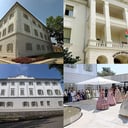
A landmark at 2 Szent György Square (Szent György tér 2) in Budapest’s Castle District, the Hungarian National Gallery traces the birth and evolution of Hungarian fine art through blockbuster temporary shows and rich permanent collections. February and March bring guided tours in multiple languages, hands-on family workshops, kids’ art labs, choral music, and curator-led spotlights on masters like Adolf Fényes (Fényes Adolf). Expect themed programs for toddlers, school-age kids, teens, and adults, plus online access for those joining from home. Creative clubs, art education sessions, and summer camps make the museum a year-round playground for imagination.
Kids’ Labs and Family Adventures
On February 18 and 25, the “Color It Anew!” museum workshop for children time-travels through everyday life in the past. With paintings, genre scenes, portraits, and old photos, kids peek into historic homes and wardrobes, see toys and tools, and dream up their own stories. Inspired by what they see, they draw, paint, and create comics.
February 21 brings “Adventure in the Gallery – Carnival Transformation” with two age-tailored guided tours: 10:30–11:15 for ages 6–9 and 11:30–12:15 for ages 10–13. On February 24, “Preschoolers in the Gallery – How Colorful!” introduces little ones to artworks through playful gallery games followed by studio time.
March opens with “Toddlers – The Realm of the Spring Fairy” on March 10: singing, rhyming, and playful discovery of spring’s colors and scents in paintings, then creation time in the workshop. “Preschoolers in the Gallery – Dance of Flowers” on March 24 revels in budding trees, fragrant blooms, and sunlit tones, turning canvases into spring stories through games and making.
“Nanny and Me in the Gallery – Spring Dressed in Color” on March 14 invites grandparents and grandchildren to explore together, then co-create in the studio—an intergenerational take on seeing, telling, and making art.
The “Create! – Fashion Through the Centuries” session on March 7 riffs on historical style oddities in art: fantastically long shoe tips, horned headdresses, and exaggerated silhouettes, capped by a badge-making activity featuring favorite works.
The Body, Myth, and Marble
The nude returns as a throughline across several events. “Look at that, Mom! – The Beauty of the Human Body” on February 19 takes visitors into the renewed “Nude Sculptures from the Turn of the Century” exhibition, tracing shifting ideals of the human form across eras. Hungarian-language tours echo the theme: “Nude Sculptures from the Turn of the Century” on February 22 highlights how depictions adapt to changing tastes.
On February 25, “Mental Fitness – Sculpture Comes to Life” braids nudes, love, and mythology. After roaming the permanent galleries and the refreshed nude sculpture show, participants step into the studio to make their own pieces. The English-language “Look, Mom! – The Beauty of the Human Body” returns on February 26 with another close look at the reimagined display.
“The Temptation of Marble – Nude Sculptures from the Turn of the Century” on March 8 explores how sculpture freezes movement, multiplies symbolism, and flirts with antiquity’s spell until stone seems to breathe.
Adolf Fényes, Sunlit Interiors, and Curator Insights
A spotlight on Adolf Fényes runs throughout. On February 21, a guided tour connects the memorial exhibition “Images of Silence. Adolf Fényes (1867–1945)” with relevant works in the permanent collection. On February 28, art historian Edit Plesznivy leads “The Taste of Sunshine,” a curator’s tour through emblematic masterpieces spanning Fényes’s entire career, from family background and studies to patrons and classical sources. “Sunny Weekdays – The Art of Adolf Fényes” on March 12 wanders through landscapes and intimate interiors, considering how a peasant courtyard meets French Impressionism, what ties a colorful Szolnok interior to Paris, and what genre scenes more than a century old reveal about the joys and sorrows of rural Hungary.
On March 1, “Our Artists’ Colonies – Szolnok and Adolf Fényes” revisits why artists’ colonies formed, how looser communal work unfolded, and how their creators shaped Hungarian art—told through standout works by the most influential members.
Music, Water, and Impressionist Light
February 22’s “Sunday Choir Concert” transforms the first-floor dome hall with the Albert Schweitzer Chamber Orchestra in a varied program. On March 22, “Waves of Seas, Currents of Rivers” honors World Water Day amid the museum’s most gorgeous landscapes, tuned to waterfalls and raindrops across Hungarian art.
Also on March 22, “Renoir, Monet, and the Impact of Impressionism” traces what Impressionism is and how it redefined fine art, pairing all-time French greats with their Hungarian contemporaries in a brisk hour.
Colors, Craft, and Cross-Border Tours
Green gets star billing in two family-friendly tours: “Mama, nézd! – A zöld árnyalatai” on March 5 and “Look at That, Mom! – Shades of Green” on March 19. Both roam the National Gallery in search of green’s many roles—from Edenic hope in sacred art to the shimmer of natural light in landscapes and the iconic eosin glaze of Zsolnay ceramics—bridging painting and applied arts across centuries.
“Color It Anew!” returns on March 4, 11, and 18 with a folk-life focus: village festivities, songs, table traditions, dress, home decoration, and the mystery of tulip chests, all fueling hands-on studio creations. On March 20, “Visita guidata in italiano” offers an Italian-language survey of Hungarian art from the Middle Ages to today, with special attention to the 19th and 20th centuries—and maybe a Dante sighting between canvases.
Join On-Site or Online
Missed a show? On March 3, the “Tihanyi 140” exhibition goes online with a guided tour from home, deepening your view of Lajos Tihanyi’s painting. Whether you’re bringing toddlers for spring songs, teens for carnival transformations, or yourself for marble musings and Impressionist light, Budapest’s Hungarian National Gallery keeps the season bright, curious, and very hands-on.