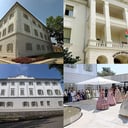
Budapest’s Hungarian National Gallery is rolling out a year of lively, hands-on culture at Buda Castle, Szent György Square (Szent György tér) 2, 1014 Budapest. Expect rotating exhibitions, guided tours, family-friendly workshops, concerts, and themed talks that span Hungarian and global art. Programs refresh all year to keep regulars inspired and first-timers hooked.
Sunday highlights and timeless nudes
On Sunday, February 22, the first-floor dome hall resounds with the Albert Schweitzer Chamber Orchestra, a concert designed to turn a museum visit into a full-on sensory afternoon.
Also on February 22, dive into Nude Sculptures from the Turn of the Century (Aktszobrok a századfordulóról), a guided tour of the revamped fin-de-siècle nude sculpture show. The human body has been a constant in art, but its portrayal shifts with each era’s ideals. This tour traces how form, beauty, and symbolism evolved at the turn of the 19th–20th centuries.
For preschoolers and curious kids
February 24 brings Preschoolers at the Gallery – How Colorful! (Ovisok a Galériában – Milyen színes!), a playful introduction for preschoolers: how painters worked, what paintings and sculptures reveal, and a gallery game that ends with creative time in the workshop.
On February 25, Recolor It! – Museum Workshop for Kids (Színezd újra! – múzeumi műhely gyerekeknek) sends children on a time trip through everyday life of the past via paintings, genre scenes, portraits, and old photographs. They’ll sketch, paint, make comics, and dream up stories inspired by what they see.
Mind fitness, love, and marble
Also on February 25: Mind Fitness – Statue Brought to Life (Szellemi fitnesz – Életre kelt szobor) asks if a statue can come alive—or inspire love. It blends nudes, romance, and mythology in a walk through the permanent collection and the renewed nude sculpture show, followed by hands-on making in the studio.
On February 26, Look, Mom! – The Beauty of the Body (Mama, nézd! – A test szépsége) guides families through the beauty of the human body with a tour of the same newly refreshed exhibition, spotlighting how ideals of the human form mirror their age.
Adolf Fényes in focus
On February 28, art historian Edit Plesznivy leads The Taste of Sunshine (A napfény íze), a curatorial tour of Adolf Fényes (Fényes Adolf). Emblematic masterpieces chart the painter’s full career, with detours into his family background, training, patrons, and classical influences.
March 1 continues the thread with Our Artists’ Colonies – Szolnok and Adolf Fényes (Művésztelepeink – Szolnok és Fényes Adolf), unraveling why artists’ colonies formed, how collaborative creation worked, and their impact on Hungarian art, all through standout works from major colonies like Szolnok.
From your sofa: Tihanyi 140
Missed the exhibition? On March 3, tune in for an online guided tour of Tihanyi 140 to get closer to the painting of Lajos Tihanyi from home.
Folk life, tulip chests, and green glazes
March 4 launches a fresh Recolor It! workshop on folk life. What were village festivities like? What songs did people sing? What went on the table? How did they dress and decorate their homes? And what’s a tulip chest (tulipános láda)? Kids create folk-inspired pieces in the studio. The same themed workshops return on March 11, 18, and 25.
On March 5, Look, Mom! – Shades of Green (Mama, nézd! – A zöld árnyalatai) is a color hunt through greens: from Eden in sacred art to landscape sunlight, and the iconic green shades of Zsolnay’s eosin glaze, across painting and the applied arts.
Fashion through the ages
On March 7, Create! – Fashions of the Centuries (Alkoss! – Századok divatjai) proves fashion is rarely timeless. Expect outrageous long shoe tips, horn-like headdresses, and theatrical bustles in a brisk gallery walk, then design your own badges featuring favorite artworks.
Marble’s seduction
On March 8, The Seduction of Marble (A márvány csábítása) returns to the nude theme. The guided tour explores symbolic and allegorical layers of the body and asks how a statue flirts with reality under the spell of antiquity.
Spring for toddlers
On March 10, Toddlers – The Realm of the Spring Fairy (Tipegők – A Tavasztündér birodalma) welcomes the smallest visitors. Sing, rhyme, and play through the colors and scents of spring in paintings, then make something bright in the workshop.
Sunlit days with Fényes
On March 12, Sunlit Everyday Life (Napfényes hétköznapok) explores Adolf Fényes’s quiet interiors and landscapes: how a peasant courtyard lives in the shadow of French Impressionism, what a colorful room in Szolnok owes to Paris, and what century-old genre scenes share about rural Hungarian joys and sorrows.
Grandparents’ day out and a Habsburg deep-dive
March 14 doubles up: With Grandma at the Gallery – Spring Dressed in Color (Nagyival a Galériában – Színekbe öltözött tavasz) invites grandparents and grandkids to chase spring colors and scents through the galleries, finishing with a collaborative art session. Later, The Most Hungarian Habsburg (A legmagyarabb Habsburg) marks 250 years since the birth of Archduke Joseph, Palatine of Hungary. Art historian Gábor Bellák’s lecture uncovers stories and connections that don’t fit on wall labels.
English, Italian, and the water’s edge
March 19 offers Look at That, Mom! – Shades of Green, an English-language family tour mirroring the Look, Mom! program. On March 20, Visita guidata in italiano surveys Hungarian art’s headline works from the Middle Ages to today, with a special focus on the 19th and 20th centuries—you might even bump into Dante among the paintings.
March 22 celebrates World Water Day with The Waves of the Seas, the Flow of Rivers (Tengerek hullámai, folyók sodrása), a guided walk among the National Gallery’s most beautiful landscapes, listening for seas, rivers, waterfalls, and rain as a way into Hungarian art. The same day, Renoir, Monet and the Impact of Impressionism delivers an English-language primer on Impressionism and its Hungarian contemporaries.
Spring blooms and Easter spirit
On March 24, Preschoolers at the Gallery – The Dance of Flowers (Ovisok a Galériában – Virágok tánca) hunts for budding trees, fragrant flowers, fresh greens, and sunlit colors in paintings, with a playful investigation that turns into studio time for kids to make their own spring. March 25 brings one more folk-life kids’ workshop. Also on March 25, Mind Fitness – Tuning into Easter (Szellemi fitnesz – Húsvétra hangolva) looks at how Christianity shaped medieval art and sets the mood for Easter with a thought-provoking gallery session.