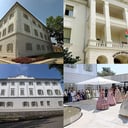
Budapest’s Liszt Academy (Zeneakadémia) stakes its claim on 2026 with a yearlong program that swings from Baroque to Hollywood, chamber intimacy to symphonic thunder, and jazz detours to organ showpieces. Ranked among the world’s top 50 performing arts universities, it’s not just the artistry that turns heads: the legendary Grand Hall and its Secessionist glow make every concert feel like a once-only moment. Online tickets are available throughout the year, and the calendar is packed with star turns, youthful fire, and carefully curated series that thread through the seasons.
January: New Music Sparks and Legendary Returns
The year kicks off on January 9 in Solti Hall with Préludes – Chopin & Lazkano, also opening the 2026 Transparent Sound New Music Festival (Átlátszó Hang). On January 15, the Grand Hall hosts Final Chord (Záróakkord) from the Conservatory series, and on January 20 the Budafok Dohnányi Orchestra explores Parallel Universes in the Dohnányi Pass 2025–26/4. Romance and revelation follow on January 21 with The Immortal Beloved (A halhatatlan kedves), the Danubia Orchestra’s take on Beethoven’s elusive love. January 22 brings a Franciscan charity concert with the FRATRES Choir and Orchestra and the choirs of Saint Angela School (Szent Angéla). Doctoral finales shine too: cellist Eszter Agárdi on January 24, and the month closes with pianist László Baranyay’s 80th jubilee on January 30, both in Solti Hall.
February: Festival Fever and Organ Firepower
February opens with The Day of Talent on the 1st, followed that evening by conductor Salamon Kamp leading the Liszt Academy Symphony Orchestra. Chamber currents continue with the Contrasts series on February 3, then Jazz Here! lands with the Dániel Szabó Quintet on February 6. Doctoral cellist Flóra Matuska takes the stage February 7, while the “Classics on Sunday Afternoon” series brings Fanni Mákszem and Ildikó Rozsonits (Shadow and Light) earlier that day. The GRANDIOSO 2025/26. 4./III. program fills the Grand Hall on February 8.
The Cziffra Festival lights up mid-month: Champions League #jazz on February 11, and Rhapsody Essence on February 13. Between them, young string quartets shine in the Motus Quartet’s 4×4 spotlight (February 12), and on Valentine’s night, a classical feast of Dittersdorf, Haydn, Mozart, and Vanhal. For kids 10–15, the Liszt Worms Academy returns February 15 with The Dreaming Artist – Symphony? Fantastic!. On February 19, Ditta Rohmann’s cello recital puts chamber music within reach, and February 21 crowns the month’s organ energy: László Fassang plays Bach on both piano and organ in the Organ in Focus series. More Cziffra follows on February 22 with Champions League #classic, and major guest turns include Masanori Sugano and Balázs Fülei with the Budapest Strings (February 23). The Kurtág100 tribute intensifies with the Hungarian Radio Symphony Orchestra (February 25) and a Solti Hall lineup of Banse, Husmann, Keller, and Groot on February 28.
March: Legends, Cinema, and Russian Colors
March begins with the Contrasts chamber strand on the 3rd and Space for Sounds: Beethoven (Teret a hangoknak: Beethoven) on March 5. New Fossils brings contemporary jazz on March 6, while March 7 celebrates Binder 70. Hollywood! arrives March 9 with the Danubia Orchestra. On March 10, pianist Endre Hegedűs stars with the Budafok Dohnányi Orchestra under Gábor Werner. The Terembura Group turns Solti Hall into a here-and-now laboratory on March 13.
On March 17, a chamber heavy-hitter night: András Keller, Miklós Perényi, and Mihály Berecz. March 18 splits between folk-rooted authenticity with Szilvia Bognár and Klára Csernók in Solti Hall, and the Academy’s Symphony Orchestra and Alma Mater Choir led by János Czifra in the Grand Hall. March 19 brings Bach and Handel, March 20 the Conservatory’s In Tune With Each Other. Pianist Dénes Várjon headlines Legendary Concerts 2025/26 on March 21, followed by a Russian Music Festival (Orosz Zenei Fesztivál) portrait night on March 22 with Kabalevsky and Rimsky-Korsakov.
Emerging string stars are in the 4×4 spotlight again: the Korossy Quartet plays Bartók Quartets/1 on March 25, PORTRAITS RMF 2026 (PORTRÉK OZF 2026) lands March 26, and the Chaos String Quartet returns the next night. The Danubia Orchestra closes the month March 28 with Bach/Britten/Janáček/Prokofiev. Family programs continue March 29 with The Waltzing Princess for ages 10–15 and a late afternoon Classics on Sunday with Ars Septem’s Nursery Stories.
April: New Voices, Big Bands, and Piano Duels
April 7 resumes Contrasts with Message; April 15’s chamber intimacy comes courtesy of Dávid Báll and András Kemenes, and April 16 puts Gergely Ménesi on the podium with the Academy Symphony. On April 17, Dóra Kokas and Izabella Simon bring chamber glow up close. A rare treat lands April 18: Dittersdorf’s opera Il finto pazzo per amore in Solti Hall.
Budafok’s Understandable Music series returns April 19 with Meeting of Worlds, followed by a chamber trio at 4 p.m. (Éva Kóbor, Nella Balog, Sebestyén Pellet) and GRANDIOSO 2025/26. 4./IV. in the evening. April 21 invites audiences to Ask the Composer, and on April 22 the World Percussion Group shakes Solti Hall. Young string quartets take another turn April 23 with Quartet Integra, while Danubia sets up a blockbuster showdown that night in the Grand Hall: Legends League – The Piano Duel. Legendary Concerts continues April 24 with János Balázs. Jazz Here! bridges old and new on April 25 as Júlia Karosi and her ensemble dive into Monteverdi – Past & Present. For kids, Shepherd at Pasture returns April 26, with a Baroque evening of Cavalli, Krieger, Legrenzi, and Rosenmüller later that night. On April 28, László Sándor’s Offertorium Musicum lands in the Here and Now (Itt és most) series. The Academy Concert Wind Band steps into the Grand Hall on April 29, and April 30 brings a chamber summit with János Mátyás Stark, Gergely Devich, and Fülöp Ránki in the Chamber Music to the Grand Hall (Kamarazene Nagyteremre) series.
May: Folk Pulse, Film Scores, and Organ Awe
May opens with the chamber series Touch on the 5th, and on May 6, Balázs Fülei unpacks The Temperament of the Trout Quintet. Táncház Day takes over the Grand Hall on May 9. Budafok’s Understandable Music returns May 10 with The Father of Film Music. Conductor Tamás Szarka presents his doctoral conducting finale on May 12. On May 13, a birthday chamber celebration salutes György Kurtág in the Here and Now series.
Organ in Focus lifts the roof on May 16 with Dóra Pétery and Trio Passacaglia in Heavenly and Earthly. The 4×4 young-quartet spotlight turns back to Bartók on May 17 as the Korossy Quartet completes Bartók Quartets/2. Budafok’s Dohnányi Pass wonders What Are Hungarians Like? on May 20, and Danubia swings from Wagner to Bernstein to Borodin on May 21. The Cziffra Festival returns May 25 with a duo dream team: Leonidas Kavakos and Enrico Pace. Family Sunday continues May 31 with Sunday Witch for ages 10–15.
June and Beyond: Mastery and Holiday Glow
June 1 brings the Piano Percussion Project with Lucas & Arthur Jussen. Timeless Melodies, Eternal Masters fills the Grand Hall on June 3. On June 16, chamber royalty assembles for Masters’ Workshop: Baráti, Guzzo, Várdai, Magyar, Simon, Várjon. Conservatory forces return June 17 with Tutti.
Autumn sprinkles cherries on top: on October 8, Brahms on Graph Paper? with Balázs Fülei’s music-exploration series, followed by a double piano hit on October 10 with Misi Boros in the morning and Alexandra Dovgan’s evening recital. November 11 shades the French palette with Poulenc, Debussy, and Saint-Saëns in Fülei’s series. The year wraps in a warm halo on December 20 with a Christmas Concert featuring Andrea Vigh and musician friends.
From organ thunder to quartets under the microscope, from kid-friendly symphonic adventures to blockbuster festival nights, the Liszt Academy’s 2026 is a feast—catch it while you can.