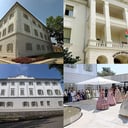
Budapest’s Hungarian National Gallery at Szent György Square (Szent György tér) 2, in the Buda Castle District, rolls into 2026 with a packed calendar for every age group. Expect fresh temporary exhibitions, curator-led tours, hands-on workshops, and themed events that roam from medieval altarpieces to turn-of-the-century sculpture, Impressionism, and folk traditions. Programs refresh constantly, keeping one of Budapest’s premier venues lively all year.
For the youngest: discovery through play
February 24: Preschoolers get the galleries to themselves with Preschoolers in the Gallery – So Colorful! What did painters actually do, and what can a painting or a sculpture reveal? A playful gallery game opens the door, followed by a studio session where little hands create. Wandering the halls turns up new wonders every time—let’s play and explore the works together.
Body, myth, and sculpture
February 25: Intellectual Fitness – Sculpture Brought to Life asks whether a statue can come alive and whether one can fall in love with a flawless work of art. The tour blends nude sculpture, love, and mythology. It includes the renewed Nudes in Sculpture at the Turn of the Century, then heads to the studio for hands-on creation.
Kids’ studio: time travel with images
February 25: Color It Anew! – museum workshop for kids. How did people live long ago? What do pictures tell us about the past? Time-travel through genre scenes, portraits, and old photographs to peek into everyday lives—what they wore, the objects they used, what they played with, what they dreamed of. Inspired by the art, kids draw, paint, craft comics, and invent their own stories.
The beauty of the body
February 26: Look, Mom! – The Beauty of the Body explores how the human nude has been depicted across centuries, reflecting each era’s ideals. The guided tour focuses on the refreshed Nudes in Sculpture at the Turn of the Century.
Adolf Fényes in focus
February 28: The Taste of Sunlight | Curatorial tour by art historian Edit Plesznivy guides visitors through Adolf Fényes’s oeuvre using emblematic pieces from key periods, while also tracing his family background, formative years, patrons, professional circles, and classical sources.
Artist colonies: Szolnok and Fényes
March 1: Our Artist Colonies – Szolnok and Adolf Fényes. Why did artist colonies emerge? How did work proceed in these looser communities, and how did they shape Hungarian art life? The series unpacks the most influential Hungarian colonies through their leading artists’ works.
Online access to Tihanyi
March 3: Online guided tour of Tihanyi 140 for those who missed the show—an at-home dive into Lajos Tihanyi’s painting.
Folk life, songs, and tulip chests
March 4, 11, 18, and 25: Color It Anew! returns with a deep dive into folk life. What were old village festivities like? What songs did people sing? What was on the table? How did they dress and decorate their homes? What are tulip chests? Workshop creations draw on folk motifs.
Fifty shades of green
March 5: Look, Mom! – Shades of Green traces green across sacred art’s Garden of Eden, the gleam of natural sunlight in landscape painting, and the iconic eosin glaze of Zsolnay ceramics. The family tour hunts greens across eras, linking painting and applied arts. The same thematic tour runs in English on March 19 under the title Look at that, Mom! – Shades of Green.
Fashion through the ages
March 7: Create! – Fashions of the Centuries proves style is rarely timeless. From impossibly long shoe tips to horn-like headdresses and flamboyantly padded backsides, the collection’s strangest fashion icons make their entrance. A short walk ends in a studio session making badges decorated with favorite artworks.
Marble, motion, and myth
March 8: The Allure of Marble – Nudes in Sculpture at the Turn of the Century celebrates the eternal subject of the human body, where movement freezes and a moment turns everlasting. The tour reveals the nude’s diverse forms and allegorical meanings, and how, under the spell of antiquity, a statue can feel startlingly real.
Toddlers’ spring adventure
March 10: Toddlers – The Realm of the Spring Fairy. Buds swell, flowers smile, and the air turns fragrant as spring paints the world bright. Singing, rhymes, and play lead the tiniest visitors through the season’s magic in painting, followed by studio making.
Sunlit days with Fényes
March 12: Sunny Weekdays – The Art of Adolf Fényes wanders his landscapes and intimate interiors. How does a peasant courtyard coexist in the shadow of French Impressionism? What links a colorful Szolnok interior to Paris? What do century-old genre scenes reveal about the quiet joys and sorrows of Hungarian rural life?
Grandparents and grandkids together
March 14: With Grandma at the Gallery – Spring Dressed in Color. When did grandparents and grandchildren last make a discovery together? How differently do they see paintings and sculptures? This special program turns art into a shared experience: a gallery quest for spring’s colors and scents, followed by collaborative making for all ages.
The most Hungarian Habsburg
March 14: The Most Hungarian Habsburg: Two Hundred and Fifty Years Since the Birth of Palatine Joseph. Art historian Gábor Bellák’s lecture adds behind-the-scenes stories from the collections—connections and curiosities that don’t fit into display cases, found only under a metaphorical magnifying glass.
Italian, water, Impressionism
March 20: Italian-language guided tour of Hungarian art from the Middle Ages to today, spotlighting the 19th and 20th centuries—and perhaps a surprise encounter with Dante among the canvases. March 22 brings World Water Day: Waves of the Seas, Currents of Rivers leads a walk among the Gallery’s most beautiful landscapes, listening for waterfalls and raindrops. Also March 22: Renoir, Monet, and the Impact of Impressionism, a one-hour English tour introducing the giants of French Impressionism alongside their Hungarian contemporaries.
Spring blooms and Easter mysteries
March 24: Preschoolers in the Gallery – Dance of the Flowers chases budding trees, fragrant blooms, fresh greens, and sunlit colors. A playful investigation of March’s moods leads to studio creations of each child’s own bright spring. March 25: Intellectual Fitness – Tuning Up for Easter explores sacred themes from Gothic altars to Károly Ferenczy’s religious canvases and János Vaszary’s monumental Golgotha. After the gallery walk, participants create together in the studio.
Ongoing address
Hungarian National Gallery, 1014 Budapest, District I – Castle District, Szent György Square (Szent György tér) 2. Programs evolve throughout the year—expect new exhibitions, tours, workshops, and special events to keep the castle buzzing with art.