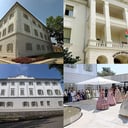
Budapest’s Országgyűlési Múzeum (Parliament Museum) is packing the calendar with exhibitions, themed walks, and its free Tér-Zene concert series throughout 2025 and into spring 2026. The museum’s sweet spot is younger audiences: expect a full slate of museum education sessions tailored to student groups of different ages, tied to the exhibitions. Four permanent exhibitions anchor the program, with rotating temporary shows layered in. Beyond classic object and document collecting, the team is also building a significant digital database—and the institution doubles as an active research workshop, feeding new material back into its displays and public programs.
Signature Exhibition, Free Guided Tours
The headline draw is the evolving exhibition A magyar törvényhozás ezer éve (A Thousand Years of Hungarian Legislation), which visitors can experience with free guided tours. These 45-minute visits start from the Országház Látogatóközpont (Parliament Visitor Centre) every Saturday at 10:00 a.m. The format is tight, focused, and designed to open up the milestones of Hungarian lawmaking through artifacts, documents, and interactive stations without overwhelming first-time visitors. Tours are in Hungarian unless otherwise noted and are capped at 30 people per session.
How to Register
Participation is free but requires registration. Sign up by email no later than 10:00 a.m. on the day before the tour you want to attend. Bring and show the confirmation email on arrival—no confirmation, no entry. The museum keeps the groups small for a reason: the pace is brisk, and the guides want time for questions. If you’re planning to come as a class or a larger group, book early; once the 30 spots are gone, that week’s tour is closed.
Weekly Dates Through Spring 2026
The free Saturday tours of A magyar törvényhozás ezer éve run consistently, week by week, through winter into spring. Mark your calendar for the following Saturdays, all at 10:00 a.m., departing from the Visitor Centre:
– 2025.12.27. (Budapest)
– 2026.01.03. (Budapest)
– 2026.01.10. (Budapest)
– 2026.01.17. (Budapest)
– 2026.01.24. (Budapest)
– 2026.01.31. (Budapest)
– 2026.02.07. (Budapest)
– 2026.02.14. (Budapest)
– 2026.02.21. (Budapest)
– 2026.02.28. (Budapest)
– 2026.03.07. (Budapest)
– 2026.03.14. (Budapest)
– 2026.03.21. (Budapest)
– 2026.03.28. (Budapest)
– 2026.04.04. (Budapest)
– 2026.04.11. (Budapest)
– 2026.04.18. (Budapest)
– 2026.04.25. (Budapest)
More dates are being added, and the overall listing spans 40 instances, so if you miss one week, another slot isn’t far behind. Still, the Saturday 10 a.m. window is popular, so don’t count on a last-minute spot.
What You’ll See
A magyar törvényhozás ezer éve has been built to evolve—expect periodic updates as research progresses and new material is digitized. The exhibition traces how Hungarian legislation has formed and re-formed across a millennium, setting the legal backbone of a country at the crossroads of European politics. From medieval assemblies to modern parliamentary practice, the display frames lawmaking as a living organism, with objects and records that spotlight turning points and the personalities who helped shape them. While the permanent core provides the historical arc, the museum’s temporary shows knit in fresh angles and case studies.
For Schools and Young Visitors
Education isn’t an add-on here; it’s baked into the program. The museum runs a wide range of museum education activities aligned with the exhibitions, split by age group so younger students aren’t stuck with content meant for seniors and vice versa. These sessions go beyond guided explanations, leaning on hands-on tasks and source-based exploration to make the architecture of law—procedures, debates, decisions—transparent and engaging. Teachers can tie visits to curriculum units on history or civics, and the museum team is used to working with classes on tight schedules.
Research and the Digital Turn
Behind the scenes, the Parliament Museum is building a substantial digital database to preserve and share its holdings. This isn’t only about preserving fragile paper and artifacts; it’s about opening access. Digitization also supports the institution’s role as a research workshop. Scholars, students, and the museum’s own curators pull those resources into exhibitions, guided tours, and education programs, keeping content current and grounded in primary sources.
The Tér-Zene Series
The free Tér-Zene concerts bring a different layer to the calendar, mixing live music into the museum’s civic setting. It’s an easy on-ramp for newcomers: show up for a concert, then roll into the exhibitions or a guided tour. The series is known for a light, public vibe rather than a formal recital mood, making it a good fit for families and casual listeners as well as regular concertgoers.
Plan Ahead
All programs are subject to change, and the organizers reserve the right to adjust dates and content. Check the latest schedule before heading out, register by the cut-off time, and hold onto that confirmation email. If the tour is full, look to the next Saturday. With four permanent exhibitions, rotating shows, themed walks, and music, Budapest’s Parliament Museum has enough to fill a morning—and plenty of reasons to come back.