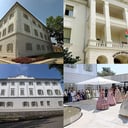
Gyula rolls out a packed 2026 with festivals, concerts, theater, and foodie gatherings across its historic spa town. From spring to autumn, Gyula Castle and the Gyula Castle Theater anchor flagship events, while the Gyula Castle Spa keeps things lively for bathers. Plan ahead: programs run citywide at multiple venues, with confirmed castle programs most weekends and candlelit tours setting the night’s atmosphere.
March Kicks Off: Heritage, Corsets, and Cinema
March opens with repeat crowd-pleasers. At the Ladics House, the Empress’s Cup runs regularly, offering an intimate peek into bourgeois life. Almásy Castle’s Corset and Revolution returns throughout the month, stitching fashion to upheaval. Castle Tour with Dönci the Dachshund gets families moving on March 1, 8, 15, and 22, while Gyula Castle guarantees programs on February 27–March 1, March 6–8, 13–15, and 27–29.
Science lands on March 2 at the János Mogyoróssy City Library with Sciences in the Storm Corner (Viharsarok). On March 4, the Castle Theater screens the award-winning film Alzheimer’s, followed by a discussion night. Candlelit Castle Tours light up March 7, 14, 21, and 28, matched by Candlelit Castle nights at Almásy on March 7, 14, 21, and 28.
Stage Nights, Stand-Up, and Salons
March 5 brings Claus-things, Claudia Liptai’s solo evening at Gyulakult. On March 7, the Castle Theater stages János Lackfi’s Three Women, One Case; tickets are about 18.6 USD. Wine-and-word nights keep flowing: on March 11, La Sposa Caffè hosts Stage and Life with Péter Scherer. Comedy fans should circle March 13 for Comedy Theater: The Wage Obligates – Life Is Different, Janklovics Péter’s solo; tickets are roughly 15.9–22.1 USD. March 25 features Valeriu Butulescu’s Bolyai at the Castle Theater with a symbolic 0.58 USD entry.
Women’s Salon – Treasures of Almásy Castle returns March 14 and April 11, while the Treasury Cellar Exhibition pops up March 7 and April 4, with Noble Passions on March 28 and April 25. Talking Flowers – Treasures of Almásy blooms March 21 and April 18, and The Earl’s Passions returns April 25.
Markets, Tastings, and Candlelight
Handmade and producers’ markets spring up at the World Clock on March 7–8, March 14, March 28, and May 2, with a double market during Gyula’s Flower Festival on May 9–10. La Sposa Caffè serves The Chef’s Dinner, a six-course experience, on March 7. The Cellar Exhibition (Pincetárlat) and Candlelit Castle give artifacts a moody glow on key Saturdays. On March 28, Gyula Castle presents The Field of Doom – Mohács, while Almásy launches its in-castle concert series: Ball at the Castle – An Evening with Cellist Felicián Kalmus.
Dachshunds, History, and Open Classes
Dachshund Meetup 2026 dashes into the Almásy Castle Visitor Center on March 21, flanked by Talking Flowers and Candlelit Castle the same day. The Museum Free University covers March 15, 1848 on March 25; returns April 29 with Generals or Martyrs?; and again May 27 for From Corset to Bob Cut. Castle Tours with Dönci repeat March 1, 8, 15, 22, and 29.
April: Jazz, Icons, and Big Laughs
April 8 brings Comedy Theater: What Could Go Wrong? with Fruzsina Ács and Balázs Máté Szabó; tickets are about 18.5–20.2 USD. On April 16, Gyulakult hosts The Recipe for Almost Perfect Happiness, Lia Pokorny’s one-woman show. April 23 swings with a Latin jazz concert at the Castle Theater (about 13.4 USD), while Komló Restaurant stages the 1st Komló Chef Adventure x Ákos Sárközi. April 24 marks a big night: Kati Kovács and her band in concert. From April 24–26, the Medivid Agility and ParAgility Festival brings canine sport energy. April 29 doubles up with That’s Nothing… an evening with Róbert Koltai and Tamás Jordán (about 21.6 USD), and stand-up titan Tibor Bödőcs: From Here We Just Roll.
May in Bloom: Music, Pálinka, and Student Fest
May 2 repeats the Cellar Exhibition and the market at the World Clock. May 7: Danny Blue – The Secret at Gyulakult. May 9 brings accordion virtuoso Zoltán Orosz in solo concert, plus the Indian Warpath canoe tour, and the Women’s Salon. The Gyula Flower Festival blossoms May 9–10, with matching markets both days.
From May 22–24, the Gyula Pálinka Festival fills the city with fruit brandy aromas. On May 23, Talking Flowers returns. Zsuzsa Koncz performs May 26, tickets about 40.3–43.0 USD. The Erkel Student Days (EDÜ) cap the season May 28–30.
Plan Smart, Stay Flexible
Events run across multiple venues in 5700 Gyula. Organizers reserve the right to change dates and programs, so double-check before you go. With heritage houses, castle nights, top-tier concerts, canine meetups, and headliner festivals, Gyula’s 45 listings promise a stacked spring.