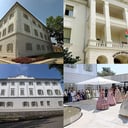
A full year of programs is rolling out in Kistarcsa, centered at 2143, Batthyány St. 2/A, in the Basic Services Center. The Kistarcsa Cultural Association (Kistarcsai Kulturális Egyesület) is filling the calendar with events to boost local culture, spark community life, and support self-organized groups from Kistarcsa and nearby towns. It’s open to all ages, with hands-on experiences, talks, exhibits, and commemorations.
May: Rare dogs, city festival, and touch therapy
May 14 brings historian Gergely Bödők with the Transylvanian Hound, spotlighting the rarest Hungarian breed. Expect a look at the bygone and seldom-practiced hunting style, what daily life is like with this Hungarikum dog, and live demos of working and obedience tasks like recall and stay.
On May 15 at 7 p.m., the 29th Kistarcsa Days exhibitions open festively in the atrium of József Simándy Primary School (Simándy József Általános Iskola). The shows, organized once again by the cultural association, can be visited Saturday and Sunday (May 16–17) from 10:30 a.m. to 6 p.m. at the Simándy School, with plenty to see across both days.
May 21 features Erika Szücsné Göblyös with Child Massage, exploring how gentle, touch-based methods support children’s physical and emotional development through the lens of polyvagal theory. Benefits include lower stress, better sleep, a stronger parent-child bond, improved mobility, and a soothed nervous system.
Roads to Africa and remembrance
On May 28, Tamás Rist covers the Budapest–Bamako Rally. Once bound for Bamako in Mali, the route now heads to Freetown, Sierra Leone, due to instability. The trek runs more than 5,592 miles, and driving across Africa’s rough roads is anything but simple.
May 31 marks Heroes’ Day at Heroes’ Square (Hősök tere) in Kistarcsa.
June: History, hikes, heritage, and flavors
On June 4, László Nagy revisits the Treaty of Trianon: the June 4, 1920 peace diktat at the Grand Trianon Palace in Versailles that cut historic Hungary by two-thirds, forcing settlements with occupying Czechoslovak, Serbian, and Romanian forces in Upper Hungary, Transylvania, and the Southern Lands.
On June 5, the community commemorates Miklós Király, son of Andor Király, director of the local Machine and Railway Equipment Factory. Miklós died in a motorcycle accident in Mátyásföld on June 4, 1926. The 100th anniversary brings wreath-laying and a retelling of the family’s story.
On June 11, Erzsébet Pancsor introduces the Blue Trail (Országos Kéktúra). There’s no age limit or deadline; from the first stamp, it’s a lifetime achievement. It isn’t an extreme trek—anyone can complete it with sensible gear, and the views more than repay the effort.
On June 18, Ildikó Obsitos presents Wine Jam, a traditional jam-making approach adapted to wine: savor aroma and flavor without alcohol. Perfect for non-drinkers and wine lovers alike, especially when the bouquet shows up in food.
June 20–21 brings the Kistarcsa Artisans’ Exhibition at Csigaház, celebrating local craftwork.
From Peru to heritage week
On June 25, Ágnes Kóczián guides Many-Sided Peru, a three-week travelogue across South America’s third-largest country, from Inca legacies to Amazonian jungles—stops include Lima, Cusco, and Iquitos.
September 14–20 hosts KIKE Cultural Week, the Görhöny Festival, and a Heritage Walk in Kistarcsa.
Autumn events and year’s end
October 10 is National Evening in Kistarcsa. From October 23–25, the 70th Anniversary of the Revolution exhibition shows at Csigaház. November 8 brings Falling Leaf at Csigaház. The year closes December 28 with a World War II commemoration at Heroes’ Square (Hősök tere).