Discover Nyíregyháza’s Sóstó Museum Village 2026: living-history festivals, workshops, exhibitions, folk fashion, Easter and Pentecost fairs, Krúdy-era walks, family fun, discounts, and concerts at Hungary’s top open-air museum.
when:


A 150-year time hop, hands-on heritage, and big, buzzy weekends: the Sóstó Museum Village (Sóstói Múzeumfalu) in Nyíregyháza rolls out a packed 2026 with festivals, living-history shows, and exhibitions that pull you into Árpád-era routines and 19th–20th-century village life. It’s Hungary’s largest regional open-air ethnographic museum, and it’s alive with crafts, costumes, music, food, and family-friendly workshops at 4400 Nyíregyháza, Skanzen utca 8.
2026.03.05. — Vármegyei Múzeumi Szakmai Nap lands with Komplex Múzeumpedagógiai Tudás Tárlat, a pro workshop day co-hosted by the Museum Education and Methodology Center of the Hungarian Open-Air Museum and Sóstó Museum Village (Sóstói Múzeumfalu). It’s about tools, methods, and smart ways to bring museum learning to life in the open air.
2026.03.14–03.15. — Szép világja a magyarnak kicks off the season around Hungary’s National Day. On March 14, the museum hosts the Hungarian Scout Association’s IX North Great Plain District war game for the first time: playful strategy battles like számháború, plus outdoor team events retell the 1848–49 fight for freedom. March 15 brings a costumed hussar showcase, an interactive camp, stage programs, and the opening of the temporary exhibition Girls and Women in Their Festive Best (Lányok, asszonyok ünneplőben). Entry is free on March 15; check the website for other ticket prices.
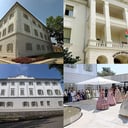
2026.03.15–05.31. — Girls and Women in Their Festive Best (Lányok, asszonyok ünneplőben) fills the Visitor Center with a vivid touring show from the Déri Museum (Déri Múzeum) in Debrecen. It spans the Carpathian Basin’s female attire: silks and brocades, kerpa and parittya headpieces, bagazia and fersing—terms decoded through dazzling garments. It’s history that teaches and delights, pointing tradition toward the future. Tickets as per the website.
2026.04.05–04.06. — Village Easter (Falusi húsvét) offers dyed eggs, traditional foods, and hands-on crafts for all ages. Learn Szabolcs-Szatmár-Bereg County’s Easter customs, admire festive tables, and try historic egg-decorating techniques. Special guests: the County’s Ukrainian Nationality Self-Government, bringing classic Ukrainian and Transcarpathian Hungarian dishes and warm hospitality. Entry via program ticket.
2026.04.24–05.31. — Aurora Folkgallor spotlights Németh Hajnal Aurora’s clothes and jewelry—fresh as Pentecost dew. The award-winning industrial and fine artist fuses age-old Hungarian decorative techniques and motifs with modern trends, creating sustainable, standout pieces. Check the website for current pricing.
2026.05.01. — Village May Day (Falusi majális) revives the secretive, midnight tradition of lads cutting and raising maypoles at the Jánkmajtis homestead. Hunt the village’s nooks with a map game for surprises, let kids loose in a folk play yard and basket carousel, and catch stage shows for all ages. Program ticket required.
2026.05.18. — One day for museums: extended hours, themed tours, guided walks, discounts, and special experiences at Hungary’s biggest regional open-air ethnographic museum. Reduced admission applies.
2026.05.24–05.25. — Pentecost Sunday is a Day of Values (Értékes nap), celebrating treasures from the Szabolcs-Szatmár-Bereg County Value Repository. This year, Nyíri Mezőség takes the spotlight. On Pentecost Monday, see mavagyonolás demonstrations and a contest for the Pentecost King (pünkösdi király) title. Expect a colorful lineup and a bustling village market. Program ticket required both days.
2026.06.10. 10:00 — The school history exhibition opens with a time-capsule classroom from Barabás: irka notebooks, slate tablets, satchels, class books, ink, discipline—and the thrill of “getting smart.” Textbook nostalgia meets strict map-pointing rules and Manó Kogutowicz’s iconic cartography. Tickets per website.
2026.06.21. — St. John’s Night (Szent Iván-éj) revives the all-night village fires with music, dancing, small wonders, and a BESH O DROM concert. Two exhibitions launch: New Dimensions of Archival Images (Archív képek új dimenziói) (06.21–11.15), and From Homemade Soap to Face Cream. Peasant Cleanliness – Bourgeois Fashion (Házi szappantól az arczkenőcsig. Paraszti tisztálkodás – polgári divat) (06.21–11.15), revealing bathing and beauty habits from the late 19th century to WWII across peasant and bourgeois worlds. Objects, folk lyrics, and ads unpack what counted as clean, beautiful, or frowned upon—and invite you to ponder painted cheeks and cologne. A standout piece: the dressing table of Ilonka Joó, wife of “song king” Pista Dankó. See the website for tickets.
2026.06.25 and every Thursday 06.25–08.27, 16:00–18:00 — This Happened in Krúdy’s Time (Ez történt Krúdy korában) is a themed stroll in Sóstógyógyfürdő led by a guide in period schoolmistress dress. It conjures the world of writer Gyula Krúdy and old Sóstó, starting at the Tourinform Office by the Zoo and ending inside the Museum Village. Participation fee: 2,000 HUF/person (about USD 5.50), covering the two-hour program and museum entry. Outdoor walk—dress for the weather. Pre-registration required; pay on-site the same day. Arrive 10 minutes early; cancellations requested 24 hours ahead.
Address for all programs: 4400 Nyíregyháza, Skanzen utca 8. For ticket details and updates, check the museum’s website.