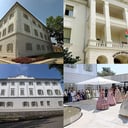
The Pápai Kékfestő Múzeum (Pápa Blue-Dye Museum) opens a door into a living European rarity: a fully preserved blue-dye workshop where centuries-old craftsmanship still hums beneath the surface. Set at 12 Március 15. Square in Pápa (8500), the museum is open for guided visits most of the year, with special dates running from February 1 to December 21, 2025, plus an extra weekend on December 27–28.
How white cloth becomes blue—and stays white where it matters
Blue-dyeing is a resist-dye technique. Artisans first pattern plain white textiles with a paste called papp, a protective layer that blocks dye. When the fabric goes into the indigo bath, the papp-coated motifs resist the blue and emerge crisp and white against that deep, luminous ground. The museum pulls back the curtain on every step: the tools, the chemistry, the rhythm of a craft once woven into everyday wardrobes.
From Sárvár to Pápa: a family workshop that shaped a city
The story begins with Károly Kluge, who founded a blue-dye workshop in Sárvár in 1783 and relocated to Pápa in 1786. The factory building—raised at the end of the 18th century—went through multiple upgrades as seven generations of the Kluge family carried the craft forward until 1956. Production followed a stacked choreography: raw material preparation on the ground floor, patterning on the first floor, and drying at the top. The heart of the color transformation was the küpaszoba, a room lined with vats where cloth took its indigo plunge. In 1962 the site became a museum; it was restored in 1983 to mark the workshop’s 200th anniversary. Today its mission is to preserve tools, techniques, records, and the intangible know-how of blue-dye artisans—and remarkably, the plant remains operational in principle even though production ceased in 1956.
Inside the workshop museum
Visitors move through spaces still anchored by original equipment: dyeing vats, heavy mangles, hand-carved pattern blocks, and an archive that survived two world wars and the 20th century’s industrial reshuffles. You can trace the journey from boiled and starched linen to the press of patterned resist, to the final dip in blue. It’s not a reconstructed tableau; it’s the real thing, a rare European survivor of an art once ubiquitous in market towns and farmyards.
When to go
– November 3 – December 31, and February 1 – March 31: open daily 9:00–17:00, closed Mondays and Tuesdays. Last guided tour at 16:00. Ticket office closes 30 minutes before closing.
– April 1 – October 31: open daily 10:00–18:00, closed Mondays. Last guided tour at 17:00. Ticket office closes 30 minutes before closing.
– Closed every January.
Special 2025 dates in Pápa: February 1 – December 21; and December 27–28.
Make a weekend of it: places to stay
Edvy Malom Fogadó Barokk Udvarház (Edvy Mill Inn Baroque Courtyard House) is a renovated watermill in a quiet, green setting just 3 km from the Pápa Thermal Bath (Pápai Termálfürdő). With capacity for 22 people, it’s a lovely fit for families looking for space and calm without straying far from the baths. The listing repeats in local guides for a reason: it’s a favorite.
If you prefer the buzz of the center, multiple guesthouses in Pápa’s downtown promise a no-fuss base close to everything. Holdkő Panzió (Moonstone Guesthouse) offers a family feel across three floors, with 14 rooms of equal comfort but different vibes on each level, designed to suit varied tastes. Another pension option caters to pairs or trios, with in-room fridges, microwaves, cable TV, Wi‑Fi, and shower rooms. A covered terrace out front becomes an evening hangout for a glass of wine and a chat; breakfast can be served on the terrace in good weather or in your room on request. Parking is free.
Campers, take note: Várkert Thermal Camping (Várkert Termál Kemping), next to Várkert Bath (Várkertfürdő), is billed as Hungary’s first and only site meeting five-star requirements, backed by high marks from international camping organizations. It’s one of the city’s newest and most polished facilities.
Eat, sip, soak, repeat
Start downtown at Pannonia Reformed Café and Wine Bar (Pannonia Reforamata Kávézó és Vinotéka) for specialty coffees, hot drinks, iced sodas, soft-serve swirls, toasted sandwiches, cakes, and a broad lineup of beers and wines. For a sit-down meal, a long-running restaurant opened in April 1993 still swears by a simple policy: the guest comes first.
Another beloved downtown spot leans into seasonal moods: a lively terrace from spring to autumn; a snug winter garden with soul-warming drinks during the colder months. The menu swings from Hungarian classics to Italian and Mexican specialties, with burgers, salads, and desserts. It’s an easy yes for friendly catch-ups and cocktails, but also polished enough for business lunches, dinners, and private events.
Craving a casual game night? There’s a hangout pouring coffee, hot chocolate, and draft beer alongside hot sandwiches, with darts, ping-pong, and Xbox on tap—plus room for corporate parties and family gatherings.
Wine country within reach
Enthusiasts should look to the Somló wine region, Hungary’s smallest historic appellation. The Somló Wine Order (Somlói Borrend), founded in 1992, champions the hill’s reputation and traditions, supports local economic and tourism aims, and nurtures cultural assets. It pairs easily with Pápa: heritage textiles, thermal waters, and volcanic whites—an itinerary that practically plans itself.
Why the blue lasts
The magic of papp and indigo is more than just pretty patterns. It’s a science of barriers and bonds, of starches and waxes guarding the weave while dye oxidizes to that unmistakable blue. In Pápa, you don’t just see the end product—you follow the craft from first bath to final gleam. That’s the true draw of the Pápai Kékfestő Múzeum (Pápa Blue-Dye Museum): the feeling that, if the vats were filled tomorrow, the cloth would come out blue and brilliant, exactly as it did two centuries ago.