Explore Pécs’ Zsolnay Quarter 2025–2026: design icons, Dalí’s Oggetto Inutile, m21 Gallery highlights, guided walks, family workshops, and local stays and dining—heritage meets contemporary creativity.
when:


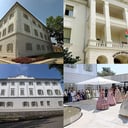
Pécs’ Zsolnay Cultural Quarter, rising on the former porcelain manufactory grounds, packs the winter-to-spring calendar with temporary and permanent exhibitions, guided walks, family workshops, and design deep-dives. The program spans from December 12, 2025, through March 29, 2026, with contemporary voices sharing space with the storied Zsolnay legacy that put the city on Europe’s cultural map. The Quarter showcases the heritage of the Zsolnay family while shining a spotlight on cutting-edge designers and emerging artists across multiple venues, led by the m21 Gallery’s headline show that blurs art and design with unapologetic flair.
On February 28, visitors can join the Discovery Walk in Zsolnay’s Golden Age – the Gyugyi Collection, an intimate journey into one of Pécs’ most prized holdings. The tour animates the opulent forms, glazes, and ornamentation that defined the Zsolnay factory’s creative peak. This is a showcase of technique and ambition, revealing how the brand’s distinctive eosin sheen and fantastical motifs turned porcelain into pure theater.
Also on February 28, another walk steps directly into the Zsolnay family’s former residence. The tour traces “in the footsteps of the Zsolnays,” mapping their personal world, tastes, and rituals across the spaces where business genius and artistic daring met domestic life. It’s a vivid window into how a dynasty’s private story powered a public cultural phenomenon, connecting the city’s industrial history with its living contemporary scene.
The m21 Gallery anchors the season with Designikonok – tegnap és ma (Design Icons – Yesterday and Today), running December 12, 2025, through March 29, 2026. The headliner: Salvador Dalí’s limited-edition Oggetto Inutile, created for the Alessi Design Factory. It’s a razor-sharp provocation that points to the porous borders between fine art and functional design, questioning use, beauty, and spectacle in one audacious object. Around it, the exhibition builds a conversation across decades, pairing historical trailblazers with contemporary makers who stretch materials, narratives, and the purpose of objects. Expect cross-pollination: furniture that thinks like sculpture, utensils with a satirical grin, and fashion with an architectural pulse.
On March 6, Judit Osvárt, editor-in-chief of ELLE Decoration, leads an exclusive curator-style walkthrough of Designikonok – tegnap és ma. Osvárt’s tour peels back the layers—how icons are made, unmade, and reimagined; how material culture shapes how we live; why an object can be a manifesto. It’s a sharp, opinionated route through the show, rich with context and backed by editorial perspective.
On March 21, from 16:00 to 18:00, the Quarter hosts Kortársék, a family-friendly creative workshop tied to Designikonok – tegnap és ma. Centered in the third hall, participants step into the pulse of contemporary fashion as interpreted by the NUBU designer brand. This is design at the edge—where clothing and accessories land between wearable and visual art. The session’s hands-on project: crafting bags in an unconventional way, with unexpected forms and experimental details that turn a simple accessory into a one-off statement. Think of it as a crash course in concept-driven fashion you can carry out the door.
Planning a weekend around the exhibitions? The city lines up a spectrum of stays. Adele Boutique Hotel Pécs sits in a 19th-century, landmark-protected building, blending period elegance with a crisp modern finish across rooms and apartments. Barbakán Hotel, just behind Pécs Cathedral, offers double to quadruple rooms, a conference hall, and indoor parking—ideal for culture-packed itineraries. Up on the calm Mecsek Hillside, guesthouses and pensions pair quiet with convenience; you’re within a five-minute stroll of forest trails and just as close to downtown. Boutique Hotel Sopianae plays with contrasts—heritage façade outside, modern interiors within—delivering tailored, discreet service. For groups and nature lovers, the Büdöskút key-house between Hermit Meadow (Remete-rét) and Orfű sleeps 12 and sits right on the Blue Trail (KÉK) and Green Cross (Zöld Kereszt) hiking routes.
Pécs rewards the hungry. The Bagolyvár complex, famed for its panoramic views over the Zengő-facing side of the city, channels Hungarian folk art into 19 uniquely decorated rooms and six suite-like “press houses” themed around iconic Hungarian wines. Its restaurant doubles down on old-school Hungarian dishes and desserts alongside international favorites. In the city center, bistro kitchens focus on fresh, home-style plates at fair prices, served in relaxed spaces that take the “bistro” label seriously. Bohemia Beer Kitchen (Bohemia Sörkonyha) sharpens the Beer–Burger–BBQ trifecta, while Big Bell Restaurant (Big Bell Étterem) adds a microbrewery and beer garden to the mix. For quick, affordable weekday lunches, Borostyán Fast Food (Borostyán Gyorsétterem) serves Monday to Friday, 11:00–16:00, on Király Street. The PAULUS space shapeshifts—café in the morning, self-serve canteen at noon, pub by evening—and hosts events. Those with a sweet tooth should not miss the Angelic Temptation Chocolate Shop (Angyali Kísértés Csokoládé) for bonbons and homestyle cakes.
Dates and programs are subject to change at the organizers’ discretion. The Zsolnay Cultural Quarter is located at 7600 Pécs, Zsolnay Quarter (Zsolnay Negyed). For a tight itinerary, anchor your visit on the m21 Gallery’s Designikonok – tegnap és ma and build out with the February 28 guided walks, the March 6 exclusive tour with Judit Osvárt, and the March 21 family workshop. Between shows, linger in the Quarter’s courtyards, book a hilltop room, and make time for a slow dinner—this is Pécs in full creative bloom.