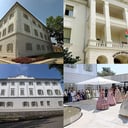
Rocks and fossils reveal ancient secrets about our planet’s past inhabitants and dramatic changes. Buried deep in the earth, these rocks and petrified creatures narrate millions of years of history. Dive into the world of fossils and rocks with us! Follow along and read captivating articles by our geologist Péter Gulyás. If we’ve hooked you, head to the Mining Museum in Ajka, where you’ll uncover way more about rocks and prehistoric life. There are three images showcasing the exhibits—check them out at 8400 Ajka, Parkerdő. Contact us or follow us online for more details and links. The event runs multiple weeks: April 6-12, April 13-19, April 20-26, and April 27-May 3, all in 2026 right in Ajka.
Explore the Fossils at Ajka’s Mining Museum
Did you know the rock formations from Iharkút and Ajka formed at the same time but in totally different environments? Tens of thousands of finds have come from Iharkút, while Ajka has yielded just a handful. Still, they reveal that several prehistoric animals lived in both the Ajka coal swamps and ancient floodplain areas. Swing by the Mining Museum to check out our fossil and rock collections!
Asbestos: Blessing Turned Deadly Curse
Asbestos is a fibrous silicate mineral that occurs in varieties such as riebeckite, actinolite, tremolite, and chrysotile. Its name derives from the Greek “asbestos,” meaning unquenchable, thanks to its acid and fire resistance. Folks used it everywhere in old buildings, from basements to attics. But the curse of its fine fibers emerged later—inhaling them causes severe respiratory irritation, often leading to fatal diseases. Today, it’s being stripped from structures and neutralized everywhere. Even wilder: in the 1940s, its fire resistance, white color, and fluffy texture made it popular as fake snow, even a Hollywood staple. See this and tons more minerals in the museum’s rock collection.
Fossils Hiding in Rooftop Slates
Germany’s Hunsrück/Bundenbach slate quarries are legendary. Romans mined the easy-to-split slate for roofing in over 600 quarries. Initially, fossils appearing in the slate were dismissed as nature’s quirks. The slate and its treasures date to the Lower Devonian, about 400 million years old, formed from fine-grained mud. The fossils are victims of underwater mudslides, with sea lilies and starfish arms pointing in the slide’s direction, preserved perfectly. During the Carboniferous, mountain-building forces transformed the sediment into slate. The fossils feature pyrite preservation, capturing the tiniest details like jointed legs and gills. Common finds include trilobites, sea stars, and crinoids; rarer ones are early primitive fish and bizarre crustaceans. Mining stopped in 1999, making these prized collection pieces. Our museum displays a trilobite (as pictured) and a Zaphrentis coral.
Stay and Play at Fitromax Leisure Center
The Fitromax leisure center and its guesthouse cover 2000 m², welcoming sports enthusiasts, relaxation seekers, and those looking to unwind. It offers 15 superior and deluxe rooms fully equipped, plus loads of sports and leisure options to enhance your active downtime.
Luxury at Hotel Kristály
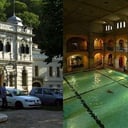
This four-star wellness gem in Ajka, Transdanubia, sits just 30 km from Lake Balaton (Balaton), 20 km from Veszprém, and 15 km from Somló, nestled in the stunning Crystal Valley. It’s Ajka’s jewel in the quieter part by the Rowing Lake and city baths, open year-round. Nearby natural beauties, Balaton Uplands, Somló wines, booming sports scene, and facilities make it perfect for active types.
Hubertus Forest School Lodging
New, high-quality tourist lodging at Hubertus Forest School in beautiful woods offers 6 double rooms for hikers.
Volcz Family Estate Restaurant
Volcz Family Estate Restaurant and Venue keeps it humble and true to its roots—no flash, just restraint inside and out. Family recipes make tasty, healthy dishes, with reform options on the menu too.
Dining Picks: Kapufa and Piknik Terasz
Kapufa Restaurant and Pizzeria welcomes both old and new guests for daily menus, hosted events, or cozy romantic dinners. Piknik Terasz (Picnic Terrace) by Ajka’s Rowing Lake serves coffee specialties, cocktails, premium drinks, and fine breakfasts. Seven accommodation hits and four food spots total—plenty for your Ajka fossil quest!