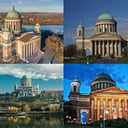
The Hungarian National Gallery is the country’s largest public collection devoted to the birth and evolution of Hungarian fine art—an energetic home for permanent and temporary exhibitions, guided tours in Hungarian and foreign languages, themed programs, family days, festivals, and concerts. Kids get a full slate too, from creative clubs and art education workshops to summer camps. January leans into color, boldness, and play—anchored by a milestone celebration of Lajos Tihanyi and a warm spotlight on Adolf Fényes—across galleries, studios, and even living rooms thanks to online tours.
Fényes’s Light and Quiet Magic
On January 8, Look at That, Mom! – Sunny Days leads families through Pictures of Tranquillity, pairing Adolf Fényes’s work (1867–1945) with the permanent collection. The theme lingers on January 10 with a deeper dive: The Art of Adolf Fényes (Fényes Adolf művészete) opens doors into rooms where sunlight pours over modest interiors, markets are alive like folktales, and everyday life matters as much as grand history painting. Expect detours to the shadow of French Impressionism on peasant courtyards, the link between a Szolnok veranda and Paris, and the small joys and sorrows these century-old genre scenes still whisper. Both events are in Budapest.
Tihanyi at 140: Rebel Forms, Daring Colors
From January 9 onward, the Gallery marks Lajos Tihanyi’s 140th birthday with a special career-spanning exhibition, Rebel Forms, Daring Colors – The Art of Lajos Tihanyi (Lázadó formák, merész színek – Tihanyi Lajos művészete), showcasing key paintings, graphics, and personal objects. Losing his hearing in childhood, Tihanyi forged colors and forms out of silence and found a singular voice in painting—without academic training. He developed a striking visual language that made him a defining member of The Eight (Nyolcak) and one of the 20th century’s most original Hungarian painters. Guided tours run repeatedly: January 9, 11, 17, 23, and 25 (the last with sign language interpretation), all in Budapest.
Kids, Snowflakes, and Baby Steps
January is gleefully family-friendly. Toddlers – Snowflake Dance (Tipegők – Hópihe tánc) on January 13 and 27 bundles up the littlest visitors for a winter quest through the National Gallery: how forests turn white, what colors hide in snow, and how to sing, tell stories, and dance with snowflakes. On January 24, Adventure in the Gallery – Strange Faces (Kaland a Galériában – Különös arcok) splits age groups for tailored tours: 10:30–11:15 for ages 6–9, and 11:30–12:15 for ages 10–13—both in Budapest.
Make, Fake, Detect: Creative Workshops
Recolor It! – a museum studio for kids (Színezd újra!)—runs multiple January sessions (January 14, 21, 28) as a mystery hunt through the Gallery’s halls. Young detectives track Tihanyi’s secrets, combing dozens of works for hidden details that might crack the case. Alongside sleuthing, the making never stops: children “forge” paintings, build identikits, and experiment with photo manipulation. On January 17, Create! – Abstract Experiential Painting (Alkoss! – Absztrakt élményfestés) introduces big names in abstraction—Sean Scully, Judit Reigl (Reigl Judit), and Simon Hantaï (Hantai Simon)—before participants paint their own bold abstracts.
Curators, Historians, and Deep Dives
January 15 brings TIHANYI 140, a guided tour by curator Mariann Gergely. She traces how Tihanyi’s work—long known domestically mostly through black-and-white reproductions until the 1970s—made its adventurous journey from Paris to the National Gallery’s collection 55 years ago. The same day, Look, Mom! – The Silence Speaks (Mama, nézd! – A csend beszél) explores how Tihanyi’s childhood illness and resulting deaf-muteness shaped a practice that turned a seeming disadvantage into a distinctive artistic advantage, making his visual language singular.
People Behind the Palette
Art historian Gergely Barki makes two appearances. On January 16, The Man Behind the Palette (Az ember a paletta mögött) offers an offbeat guided tour through TIHANYI 140. Later, on January 24, Barki’s lecture Two or None. Doublings and Gaps in the Oeuvre of Lajos Tihanyi (Kettő vagy egy sem. Duplázások és hiátusok Tihanyi Lajos életművében) maps the doubles and gaps within Tihanyi’s oeuvre—how repetitions, missing links, and rediscoveries redraw the contours of an artist’s legacy. Also on January 17, writer and art historian Rita Halász leads Embroidered in Concrete (Betonba hímezve), a subjective walk through the show.
From Nude Sculptures to New Styles
Nude Sculptures at the Turn of the Century (Aktszobrok a századfordulóról) on January 18 puts the naked human body center stage in renewed 19th–20th-century sculpture. It tracks how the nude—one of art’s oldest subjects—evolves with shifting ideals across eras. On January 21, Mental Fitness – New Year, New Style (Szellemi fitnesz – Új év, új stílus) spotlights artists who changed gears often, like János Vaszary, József Rippl-Rónai, and Aurél Bernáth. After a gallery walk, visitors head to the studio to try on one of Rippl-Rónai’s styles for size.
In Italian and Online
January 16’s Visita guidata in italiano surveys major masterpieces of Hungarian art from the Middle Ages to today, with a special focus on the 19th and 20th centuries—and maybe a surprise cameo by Dante among the canvases. If you’re staying home on January 22, Online Guided Tour of the Tihanyi Exhibition (Online tárlatvezetés a Tihanyi kiállításban) brings the TIHANYI 140 exhibition to your screen for the Day of Hungarian Culture, an armchair tour loaded with insights into Tihanyi’s painting.
One Exhibition, Many Entrances
The month’s programming loops back, again and again, to Tihanyi’s rebellion in form and fearless color: classic guided tours, curator-led sessions, accessibility-conscious interpretations, subjective takes by writers, and art-historian deep dives. Along the way, Fényes’s sunlit rooms and vibrant markets offer a counterpoint—two artists from the turn of the century in dialogue with today’s visitors. Whether you prefer snowflake dances or abstract brushwork, detective games or nude sculpture, January at Budapest’s National Gallery is a packed, welcoming circuit through Hungary’s visual imagination.