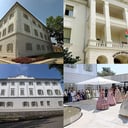
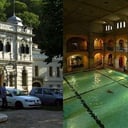
Budapest’s Parliament Museum (Országgyűlési Múzeum) is packing 2026 with reasons to drop by: rotating and permanent exhibitions, themed walks, and a free concert series dubbed Tér-Zene. The museum is doubling down on young visitors with hands-on education programs tied to each show, tailored for different age groups. Alongside four permanent exhibitions and seasonal displays, the institution is building a major digital database while operating as an active research workshop—so it’s not just about looking; it’s about digging deeper into democracy’s backstory, too.
What’s on, and who it’s for
The Parliament Museum’s sweet spot is making the country’s legislative heritage feel alive and relevant for students, teachers, and curious adults. School groups can book museum education sessions that unpack major constitutional milestones, explain how parliamentary work actually functions, and connect historic artifacts with today’s civic life. Beyond the classic object-and-document collection, the museum is digitizing at pace, building an ever-growing online trove for researchers and casual browsers alike. The research lab inside the institution supports this mission, feeding findings into exhibits that are constantly refreshed.
The headline tour: A thousand years of lawmaking
From mid-January through spring, Saturdays belong to guided visits of the museum’s signature, continuously updated exhibition A Thousand Years of Hungarian Legislation (A magyar törvényhozás ezer éve). These 45-minute tours set off from the Visitor Centre of the Hungarian Parliament Building at 10:00 a.m. Every session is free, but there’s a catch: you need to register in advance by email, and only up to 30 people can join each time. Entry is granted upon showing the confirmation email at the starting point.
How to book, when to go
Registration is simple and time-sensitive. Sign up by 10:00 a.m. on the day before the tour via email, wait for your confirmation, then show it on arrival. Bookings close once 30 spots are filled. If you’re bringing a class or a group, coordinate early—those Saturday mornings get snapped up fast. The starting point is the Hungarian Parliament Building Visitor Centre (Országház Látogatóközpont), right in the Parliament complex in Budapest, so plan a few extra minutes for security and check-in.
Dates to lock in your calendar
The Saturday rhythm begins on January 10, 2026, and continues weekly. Mark these: January 10, 17, 24, and 31; February 7, 14, 21, and 28; March 7, 14, 21, and 28; April 4, 11, 18, and 25; May 2 and 9. Each starts at 10:00 a.m., lasts 45 minutes, is free with prior registration, and caps attendance at 30. Additional dates will be published as the year unfolds—organizers list a total of 40 dates in the schedule and will continue adding more. As always, the museum reserves the right to adjust the timing or change the program if needed.
Why it’s worth your Saturday
This is a compact, curator-led walk through a millennium of Hungarian legislative history—short enough to fit a weekend plan, rich enough to linger in your head afterward. The constantly refreshed exhibition stitches together objects, documents, and visuals that track how the nation’s lawmaking evolved, who shaped it, and where it’s headed. If you’ve ever gazed at the Parliament’s Neo-Gothic silhouette and wondered what actually happens within those chambers, this tour is your decoder ring. And for students, it’s a living civics class: law, power, and public life explained with tangible artifacts rather than dry textbooks.
Beyond the tour: exhibitions, walks, concerts
The museum’s four permanent exhibitions anchor the story of Hungarian parliamentarism, while temporary shows spin deeper, theme-driven narratives. Themed walks step outside traditional gallery spaces to trace civic and political history in and around the Parliament precinct, offering insider angles and lesser-known anecdotes that connect the architecture, the city, and the institution. Tér-Zene—the free concert series—sets a lighter tone, threading music into a place known for debates and decisions. It’s a cultural breather that still fits the setting: public space, shared experience, open doors.
For teachers and students
Expect age-specific museum education sessions mapped to curricular needs and classroom goals, from primary school through university. Workshops are hands-on and dialogue-heavy, teaching research skills and critical reading of sources. With the digital archive growing fast, students can continue at home: cross-checking documents, following timelines, and building projects from credible materials. The museum’s research hub keeps the content fresh, feeding new findings into lesson plans and exhibition updates, so repeat visits make sense.
Practical notes
– Location: Budapest, Hungarian Parliament Building Visitor Centre (Országház Látogatóközpont).
– Time: Saturdays at 10:00 a.m.; 45 minutes per guided tour.
– Booking: Email registration required by 10:00 a.m. the day before; entry with confirmation email only.
– Capacity: 30 people per tour.
– Cost: Free for the guided exhibition tour; other programs may vary.
– Schedule changes: Organizers reserve the right to change dates and programs.
How to make a day of it
Pair the morning tour with a walk along the Danube, then loop back for a themed stroll or a Tér-Zene concert if it’s on the day’s program. If you’re prepping students, line up a museum education session and follow it with time in the digital archive to turn inspiration into research. Either way, the Parliament Museum is staging 2026 as a year to show up, look closer, and leave knowing more about how Hungary has made its laws—and how laws have made Hungary.