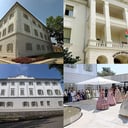
The Parliament Museum in Budapest is packing 2026 with exhibitions, themed walks, and a free concert series called Space-Music, plus a raft of museum education sessions designed especially for student groups. Four permanent exhibitions anchor the lineup, joined by rotating temporary shows. Beyond classic objects and archival documentation, the museum is also building a major digital database, and it operates as a research workshop too—so expect scholarship behind the spectacle.
Every Saturday morning, the museum runs free guided tours for its signature exhibition, A magyar törvényhozás ezer éve (A Thousand Years of Hungarian Legislation). The show is continually updated, and the tours are deliberately tight and focused: 45 minutes, starting at 10 a.m. from the Visitor Centre of the Hungarian Parliament Building. There’s a cap—no more than 30 people per tour—and registration is required by 10 a.m. the day before via email. Entry is based on showing the confirmation email at the starting point.
These Saturday tours are scheduled week after week through winter and spring: January 3, 10, 17, 24, and 31; February 7, 14, 21, and 28; March 7, 14, 21, and 28; April 4, 11, 18, and 25; and May 2, all in Budapest. Organizers reserve the right to change programs and dates, and more time slots are expected to be added. Right now, the listing counts 39 events, a strong sign there’s depth to the offer beyond what’s already on the calendar.
What the exhibition covers
A magyar törvényhozás ezer éve (A Thousand Years of Hungarian Legislation) is the museum’s living overview of Hungarian legislation, mapped across a millennium of political, legal, and social change. It moves from medieval assemblies through Habsburg-era reforms, the 19th-century push for modern civil rights, the upheavals of the 20th century, and into contemporary parliamentary practice. The exhibition’s ongoing renewal is a key draw: displays evolve as research advances and fresh material is digitized, so repeat visitors will spot new angles and artifacts. The guided format keeps the tour brisk while still connecting the dots across eras, institutions, and ideas.
For students and schools
Young people are front and center in the museum’s plans. Each exhibition is paired with museum education sessions tailored to different age groups, from primary pupils to university students. The aim is to ground abstract civics in tangible stories—how a law is born, what representation means in different periods, and how parliamentary procedure reflects the balance of powers. Teachers can book group visits that sync with the Saturday tour schedule or line up separate sessions during the week. The 30-person cap for the guided tour makes it manageable for a single class or two small groups combined.
Beyond objects: the digital pivot
The collection work stretches well past display cases. Alongside physical artifacts and documents, the museum is building out a significant digital database to make legislative history accessible and searchable. This isn’t just a backup copy; it’s the backbone for interactive displays, updated timelines, and research-grade access. That digital push dovetails with the museum’s role as a research workshop, where curators and historians collaborate on new findings that funnel back into both the exhibitions and education programs.
How to book and what to expect
– Tours are free, 45 minutes, Saturdays at 10 a.m., starting from the Parliament’s Visitor Centre.
– Registration closes at 10 a.m. the day before. Bring the confirmation email to join.
– Maximum 30 participants per tour; first come, first served via email sign-up.
– Dates currently listed: weekly from January 3 through May 2, with more expected.
– The event series is in Budapest; organizers may change dates or programs.
On the ground, the route is compact and accessible, with guides moving you through the core narrative at a steady clip. If you’re hoping to linger, the advice is simple: use the tour as your overview, then loop back for a deeper dive on your own. The Visitor Centre is the logistics hub—arrive early to confirm your spot and smooth security checks before the start time.
Why it matters now
A thousand years of lawmaking isn’t a museum slogan—it’s a reset button. In a year with frequent political noise, this program offers clarity on where the rules come from and how they’ve been bent, reformed, or rebuilt. The museum’s emphasis on youth education and digital access signals a bet on long-term civic literacy, not just one-off tourism. And by keeping the tour free and short, it lowers the barrier for locals and travelers alike to step inside the machinery of democracy that sits at the heart of Budapest’s skyline.
Plan your visit
If you’re scheduling around school terms or weekend trips, lock in a Saturday morning and register a day ahead. Groups should coordinate early—those 30 spots go fast. Keep an eye out for added dates as spring rolls on, and remember: program details can change. The museum is balancing crowd-friendly access with a research-driven refresh cycle, which is exactly why returning visitors find something new each time they go.
One last tip: combine the tour with a themed walk or a Space-Music concert when the series is active. The mix of history, architecture, and live performance lands differently when you’ve just taken in a millennium of laws condensed into 45 sharp minutes.